- Ideas for a more considered life
- Travel deeper . Work smarter . Live better
- Join 50,000+ readers
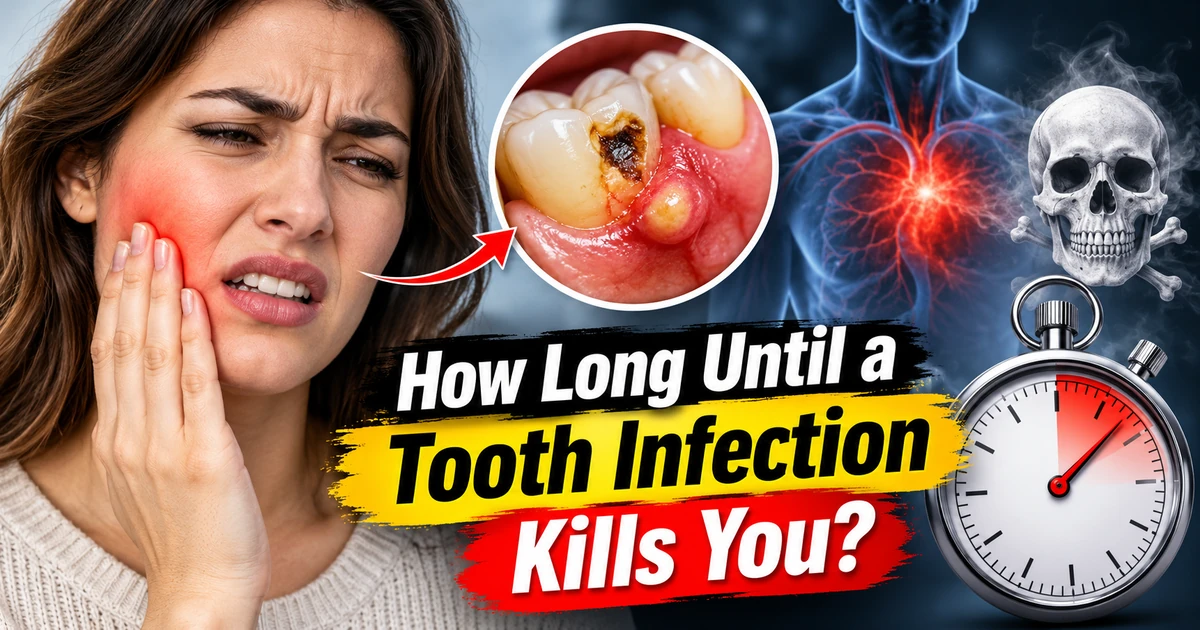
A throbbing toothache can feel like a small annoyance at first, but an untreated dental infection is a real medical risk. Many people search for how long until a tooth infection kills you because they are scared, in pain, and unsure whether they can wait for a dental appointment. The honest answer is that there is no fixed deadline. Most infections never become deadly, yet some can spread within days or weeks. At Ultimate Fandom, we believe clear information helps people make safer decisions, so this guide explains the timeline, the warning signs, and when to seek urgent help.
There is no exact number of days that applies to everyone. A tooth infection, also called a dental abscess, starts when bacteria invade the pulp inside a tooth or the gum around it. Left alone, the infection can break through the jawbone and travel into the face, neck, or bloodstream. Doctors usually describe the danger in terms of weeks to months, not hours, but the speed depends on your immune system, the bacteria involved, and whether the pus can drain.
Death from a dental infection is rare today because antibiotics and dental care are widely available. Still, complications such as sepsis, Ludwig’s angina, brain abscess, and infection of the chest cavity do happen, and they can become life-threatening within days once they begin. If you keep asking how long until a tooth infection kills you, the safer question is how quickly you can get treated, because early care almost always prevents a serious outcome. People with diabetes, cancer, HIV, or those taking immune-suppressing medicines face a higher risk and should never delay.
Most tooth infections begin with untreated tooth decay. Bacteria enter through a cavity, crack, or chipped tooth and reach the soft pulp inside. Common causes include:
Because the body cannot clear the bacteria on its own, pus builds up inside the tooth or gum. This pressure is what causes the severe, pulsing pain many patients describe.
Pain alone is not always dangerous, but certain symptoms suggest the infection is moving beyond the tooth. Seek urgent care if you notice any of the following:
Trouble breathing, trouble swallowing, confusion, or swelling that spreads toward the eye or neck is an emergency. Call your local emergency number or go to the nearest hospital immediately instead of waiting for a dental appointment.
The table below shows a general timeline. Every case is different, so treat these ranges as estimates rather than guarantees.
| Stage | Typical Timeframe | What Happens | Action Needed |
|---|---|---|---|
| 1. Early decay | Weeks to months | Cavity reaches the pulp; sensitivity to hot and cold | Book a dental visit |
| 2. Localized abscess | Days to weeks | Pus forms; throbbing pain and gum swelling | See a dentist within 24 to 48 hours |
| 3. Spreading infection | Days | Facial swelling, fever, trouble opening the mouth | Urgent dental or medical care the same day |
| 4. Life-threatening stage | Hours to days | Sepsis, airway swelling, trouble breathing | Go to the emergency room immediately |
The key point is that the earlier stages give you plenty of time to act. Most people who get treatment at stage one or two recover fully and never face a dangerous complication.
Treatment depends on how severe the infection is. A dentist may drain the abscess, perform a root canal to save the tooth, or remove the tooth if the damage is too great. Antibiotics are often prescribed when the infection has spread or your immune system is weak, but antibiotics alone do not cure an abscess because the source of the infection must be removed. Over-the-counter pain relievers ease discomfort for a while, yet they do not treat the cause. Also remember that sudden relief of pain can mean the abscess has ruptured, not that the infection is gone.
Prevention is simple and affordable compared with emergency care. At Ultimate Fandom, we encourage readers to treat dental pain as a health priority, not something to push aside. These habits lower your risk:
Can a tooth infection kill you in a week?
It is uncommon, but a spreading infection that causes sepsis or airway swelling can become life-threatening within days. Seek urgent care if you have facial swelling, fever, or breathing trouble.
Can a tooth infection go away on its own?
No. Pain may ease if the abscess drains, but the bacteria remain and need professional treatment to be cleared.
What are the signs of sepsis from a dental infection?
Watch for fever, chills, fast heartbeat, rapid breathing, confusion, and extreme weakness. These signs need emergency care right away.
Should I go to the dentist or the emergency room?
Visit a dentist for tooth pain or small, localized swelling. Go to the emergency room if you have trouble breathing or swallowing, a high fever, or swelling that spreads to the neck or eye.
Can antibiotics cure a tooth infection without dental treatment?
Usually not. Antibiotics can control the spread, but a dentist must drain the abscess, treat the root canal, or remove the tooth to eliminate the source.
Further reading: how long until a tooth infection kills you explained by Mayo Clinic.