- Ideas for a more considered life
- Travel deeper . Work smarter . Live better
- Join 50,000+ readers
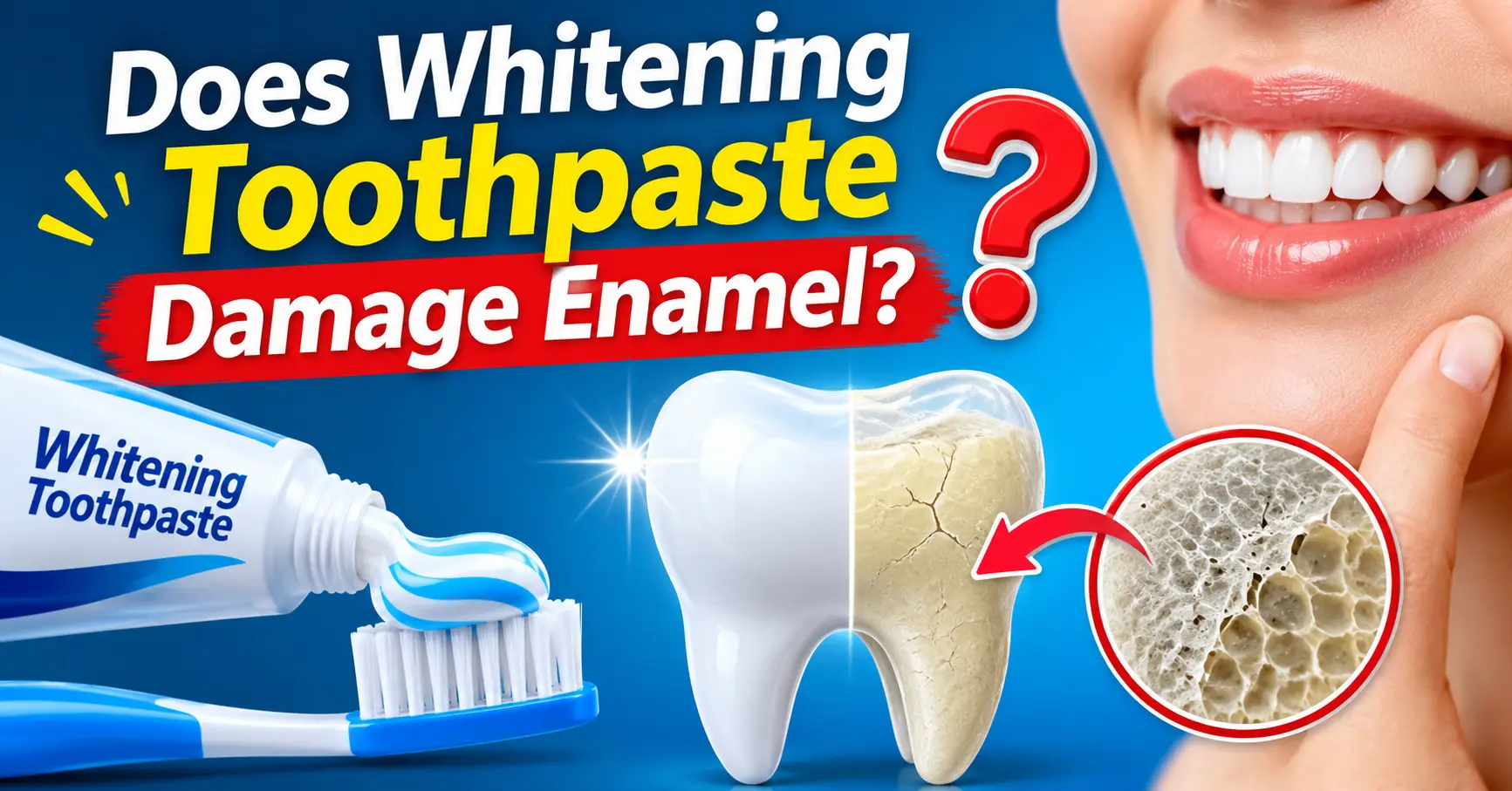
You brush twice a day, yet coffee, tea, and red wine still leave their mark. So it is natural to reach for a whitening tube and wonder if the brighter smile is worth the risk. In this guide from Ultimate Fandom, we answer the big question: does whitening toothpaste damage enamel? You will learn how these products work, when they can cause harm, and how to use them safely.
Quick answer: Most whitening toothpastes are safe for healthy teeth when used as directed, especially products with the American Dental Association (ADA) Seal of Acceptance. Problems usually come from overly abrasive formulas, aggressive brushing, or already thin enamel, not from normal, gentle daily use.
It can, but only under certain conditions. Enamel is the hardest substance in the body, yet it has no living cells, so once it wears away it does not grow back. That is why the details matter. A well-formulated whitening toothpaste used with a soft brush is unlikely to cause meaningful harm. A harsh, high-abrasion product used with heavy pressure over years is a different story.
Most whitening toothpastes do not change your natural tooth shade. They work in two main ways:
Because the polishing power comes from abrasives, the key safety question is how abrasive the product is. Whitening toothpastes tend to be more abrasive than standard ones, which is why choosing carefully matters.
Relative Dentin Abrasivity (RDA) is a lab measurement that shows how abrasive a toothpaste is. The higher the number, the more it can wear tooth structure. The ADA considers toothpastes with an RDA at or below 250 acceptable for lifetime use, and many everyday toothpastes fall well under that limit.
Brands rarely print RDA on the box, so the easiest shortcut is the ADA Seal of Acceptance. It signals that the product has been reviewed for safety and effectiveness.
Asking does whitening toothpaste damage enamel is a fair concern, and the answer changes in these situations:
Worn enamel exposes the yellower dentin underneath, so ironically, excess abrasion can make teeth look darker rather than whiter.
Contact your dentist if you notice tooth sensitivity to hot, cold, or sweet foods, a yellow or dull appearance, rough or chipped edges, or tooth surfaces that look slightly transparent. These can signal enamel loss from abrasion, acid erosion, or other causes.
Also remember that surface-stain products have limits. They cannot change deeper discoloration from aging, medications, or genetics. For that, ask your dentist about professional or ADA-accepted at-home whitening options.
Whitening toothpaste is the gentlest and cheapest option, but it only improves surface stains. Peroxide-based bleaching, whether done in a dental office or with ADA-accepted at-home kits, penetrates the tooth and can lighten deeper discoloration. Bleaching can cause temporary sensitivity, so a dentist should confirm your teeth and gums are healthy first. For many people, the best plan is a professional cleaning, a gentle daily toothpaste, and occasional dentist-guided whitening when needed.
If you are still asking does whitening toothpaste damage enamel for your own teeth, talk to a dentist first, especially when you have sensitive teeth, visible enamel wear, exposed roots, frequent acid reflux, or recent dental work. Young children should use age-appropriate fluoride toothpaste rather than whitening formulas.
At Ultimate Fandom, we recommend treating whitening toothpaste as a gentle maintenance tool, not a quick fix, and getting a professional opinion before trying stronger products.
So, does whitening toothpaste damage enamel? For most people using ADA-accepted products gently, the risk is low. The real dangers come from harsh abrasives, heavy brushing, and ignoring early warning signs. Protect your enamel, and your smile will stay brighter for longer. For more clear, practical health guides, keep exploring Ultimate Fandom.
Disclaimer: This article is for educational purposes only and is not dental or medical advice. Consult a licensed dentist about your oral health and the products that are right for you.
Does whitening toothpaste damage enamel?
Not usually when used as directed. Most damage comes from highly abrasive formulas, hard brushing, or already weakened enamel. Choosing an ADA-accepted toothpaste and brushing gently lowers the risk.
Can I use whitening toothpaste every day?
Many people can, especially with gentle ADA-accepted formulas. If you develop sensitivity or gum irritation, use it less often or switch to a non-whitening fluoride toothpaste and ask your dentist.
Is charcoal toothpaste safe for whitening?
The ADA has said there is not enough evidence that charcoal toothpastes are safe or effective, and some can be very abrasive. A fluoride toothpaste with the ADA Seal is a safer choice.
Can enamel grow back after damage?
No. Enamel has no living cells, so lost enamel cannot regenerate. Fluoride can help strengthen weakened areas and repair early mineral loss, but it cannot rebuild enamel that is gone.
How long does whitening toothpaste take to work?
Results are gradual and vary by person, with some noticing a difference after a few weeks. These products mainly remove surface stains, so they will not match professional whitening.
Reference: For trusted guidance from the American Dental Association, see MouthHealthy’s page on natural teeth whitening.