- Ideas for a more considered life
- Travel deeper . Work smarter . Live better
- Join 50,000+ readers
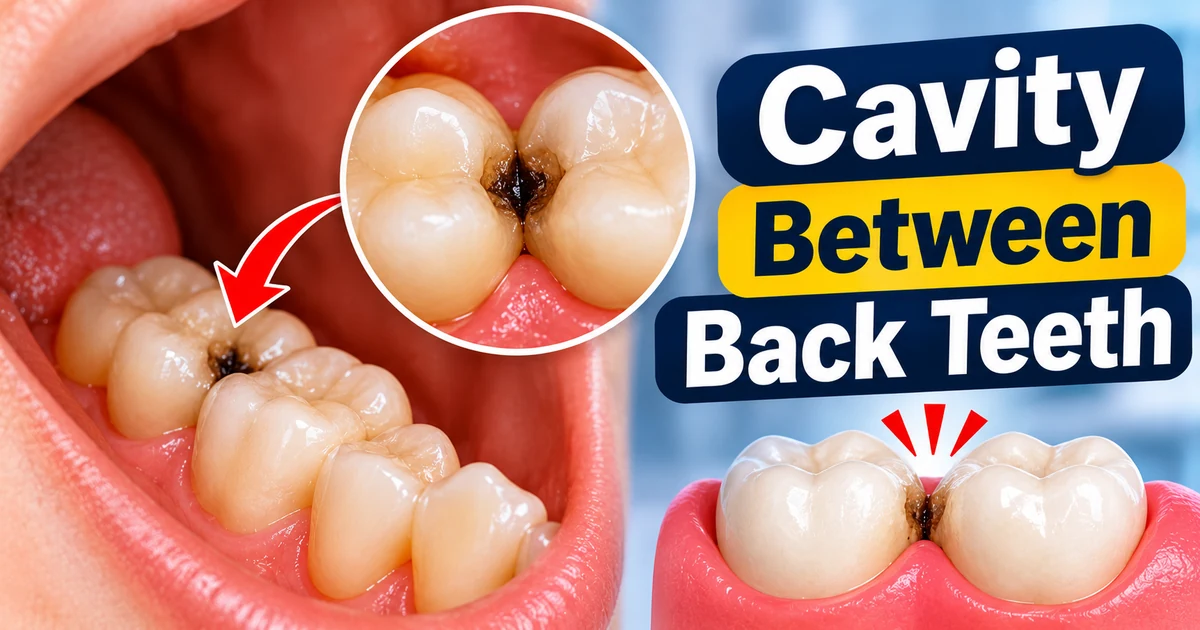
Food stuck in the same spot after every meal, a dull ache when you chew, or floss that keeps shredding often point to a cavity between back teeth. Because these spots are tucked away where a toothbrush barely reaches, decay can grow quietly for months before it causes real pain. At Ultimate Fandom, we believe health information should be simple and useful, so this guide explains why these cavities form, how to recognize them, which treatments exist, and how to stop them from coming back.
Your premolars and molars sit tightly side by side. The narrow gap where two teeth touch is called the interproximal space, and plaque settles there easily. Plaque is a sticky film packed with bacteria. Each time you eat sugar or refined carbohydrates, those bacteria produce acid that softens enamel, the hard outer layer of the tooth. Over time, a tiny hole forms and slowly grows.
Several factors raise the risk of decay in these tight spaces:
The deep grooves on molars add to the problem, but the contact points between teeth are especially risky because saliva cannot wash them clean as effectively as it does smooth surfaces.
Age and lifestyle matter too. Children are prone to decay in their baby molars, teenagers often snack more, and older adults may have receding gums that expose softer root surfaces. No age group is completely safe, which is why everyone benefits from cleaning between teeth.
Early decay rarely hurts, which is why many people miss it. As the cavity deepens, you may notice one or more of the following:
If any of these sound familiar, do not wait for severe pain. Decay caught early is cheaper, faster, and far less invasive to treat.
You usually cannot see an interproximal cavity in the mirror because the tooth next door hides it. Dentists rely on bitewing X-rays, which show the contact areas between back teeth and reveal decay long before it becomes visible. As the health-focused writers at Ultimate Fandom often remind readers, a routine checkup with X-rays is the most reliable way to find hidden problems.
Decay also moves through stages. The first stage is demineralization, where enamel loses minerals and may show a chalky white spot. At this point, fluoride and better cleaning can sometimes reverse the damage. Once the decay breaks through the enamel, it reaches the softer dentin underneath and spreads faster. If it reaches the pulp, where the nerves live, you may face infection, throbbing pain, and an abscess.
There is one helpful habit you can try at home. Run waxed floss gently between each pair of back teeth and notice where it catches or frays. Mention that spot to your dentist, because it often marks a rough edge or an early cavity.
According to Mayo Clinic, the right treatment for a cavity between back teeth depends on how far the decay has spread. The table below summarizes the most common approaches.
| Decay Stage | Typical Treatment | Expected Result |
|---|---|---|
| Early white spot | Fluoride treatment and better cleaning | Enamel can remineralize without drilling |
| Small enamel cavity | Tooth-colored filling | Decay removed, tooth restored in one visit |
| Deeper dentin decay | Larger filling, inlay, or onlay | Keeps more of the natural tooth |
| Extensive damage | Dental crown | Covers and protects a weakened tooth |
| Infected pulp | Root canal followed by a crown | Removes infection and saves the tooth |
| Unrestorable tooth | Extraction, then implant or bridge | Last resort when the tooth cannot be saved |
Modern fillings are made from tooth-colored composite resin that bonds to the tooth, so dentists can remove only the damaged part and keep the healthy structure. Most simple fillings take under an hour and need just one visit.
As the table shows, treatment becomes more complex and costly the longer decay is ignored. A small filling today can prevent a root canal next year.
Prevention comes down to a few steady habits. A simple routine beats an occasional deep clean, and it is the kind of practical approach we share at Ultimate Fandom.
Anyone who has already had a cavity between back teeth is more likely to develop another, so consistency matters more than perfection. Cleaning between your teeth every single day is the single most effective step.
Can an interproximal cavity heal on its own?
Only the earliest stage, when enamel has lost minerals but not yet formed a hole, can heal with fluoride and good hygiene. Once a true cavity forms, it needs professional treatment.
Does getting a filling hurt?
Your dentist numbs the area with local anesthetic, so you should feel pressure but not pain. Mild sensitivity for a few days afterward is common and usually fades.
How long can I wait before treating it?
It is best not to wait. Decay keeps spreading, and what could be a simple filling can turn into a root canal or extraction within months.
Is flossing enough to prevent these cavities?
Flossing is essential, but it works best alongside fluoride toothpaste, a low-sugar diet, and regular dental visits.
How much does treatment cost?
Cost depends on your location, the dentist, and the material used. Fillings cost much less than crowns or root canals, so ask for an estimate and treat early.