- Ideas for a more considered life
- Travel deeper . Work smarter . Live better
- Join 50,000+ readers
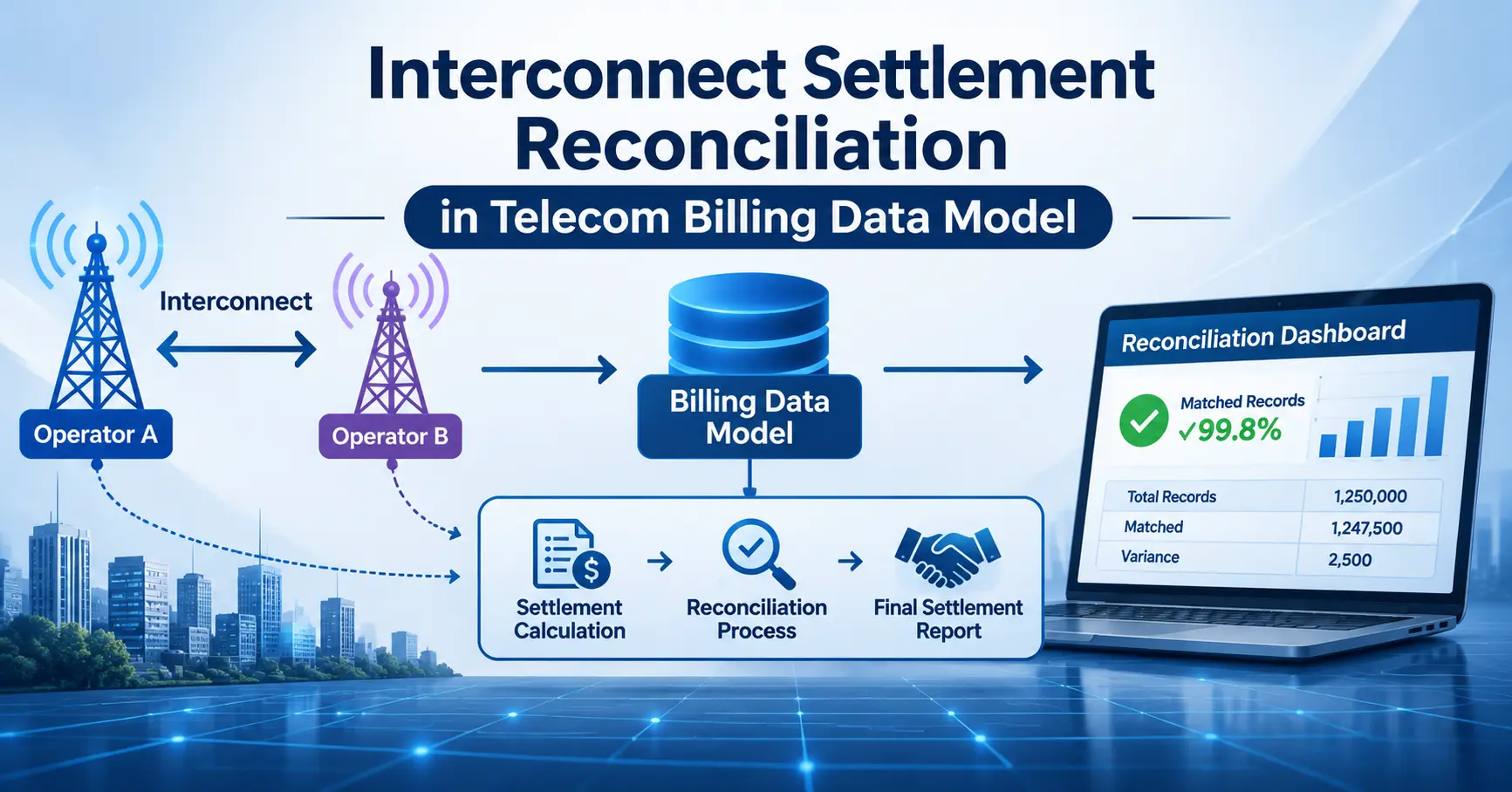
Every time a call, text, or data session crosses from one carrier’s network to another, money changes hands. Getting that money right depends on a well-designed interconnect settlement reconciliation telecom billing data model, the structure of tables, keys, and rules that turns raw network records into agreed payments. At Ultimate Fandom, we break complex technology topics into clear, practical guides. This article explains what the model contains, how reconciliation works, and how to design one that holds up in disputes and audits
An interconnect settlement reconciliation telecom billing data model is a structured set of entities that lets two carriers compare the traffic each side recorded, calculate what is owed, and resolve any differences. It typically links partners, agreements, rate cards, usage records, invoices, variances, and payments in one auditable chain.
Interconnect settlement is the process by which telecom operators pay each other for carrying traffic across network boundaries. When a subscriber on Carrier A calls a subscriber on Carrier B, Carrier B terminates the call and charges Carrier A a wholesale rate. The same logic applies to SMS, data, and roaming. Because both carriers record each event independently, their numbers rarely match perfectly. Reconciliation is the step that compares the two views and explains every difference.
Two carriers can measure the same call differently for many reasons:
A strong model makes each cause visible.
Any interconnect settlement reconciliation telecom billing data model should include these building blocks:
Partner: the carrier or operator, identified by a unique code (for roaming, often a TADIG code).
Agreement: the commercial contract, with effective dates, currency, billing cycle, and tolerance thresholds.
Rate card: destination or prefix-based prices, versioned by effective date so history is never overwritten.
Raw usage record: the original call detail record (CDR) or roaming file, stored unchanged for audit.
Normalized usage record: a cleaned version with standard fields such as UTC start time, duration, origin, destination, and direction.
Rated usage: normalized records with a price and the exact rate version applied.
Statement or invoice: the summary each side issues for a settlement period.
Reconciliation match: a link between your record and the partner’s record, with a status of matched, partial, or unmatched.
Variance and dispute: the difference, its reason code, owner, and resolution status.
Settlement and payment: the final agreed amount, including netting of what each side owes the other.
Ingest usage files and partner statements on a regular schedule.
Normalize formats, time zones, and identifiers.
Rate usage using the correct agreement and rate version.
Match your records to the partner’s by call ID, time window, and numbers.
Classify each variance by reason code and size.
Dispute only the items above the agreed tolerance threshold.
Settle and net the final balance, then close the period.
Once your interconnect settlement reconciliation telecom billing data model is running, monitor match rate, dispute volume, days to resolve a dispute, and variances by reason code. A rising reason code usually signals a process problem, such as a late rate update.
Consider a carrier that sends international voice traffic to a partner. Its own records show a monthly total slightly higher than the partner’s statement. With a detailed model, the finance team filters the variances and finds that most come from calls crossing the billing cut-off, while a smaller share came from an outdated rate on one route. Because raw records, rate versions, and reason codes are stored, each issue is fixed at its source and the dispute shrinks to a few documented items. This is the kind of clear, evidence-first thinking we value at Ultimate Fandom.
A reliable interconnect settlement reconciliation telecom billing data model does more than store numbers. It explains them. By keeping raw data intact, versioning prices, matching records carefully, and classifying every variance, carriers settle faster, argue less, and protect revenue. Start with the core entities, define your grain, and build from there. For more practical technology explainers, keep exploring Ultimate Fandom.
What is an interconnect settlement reconciliation telecom billing data model?
It is the database design that connects partners, agreements, rate cards, usage records, invoices, variances, and payments so two carriers can verify traffic, calculate amounts owed, and resolve differences in a traceable way.
Which records are needed for interconnect reconciliation?
You need your own usage records (such as CDRs), the partner’s statement or usage file, the active agreement and rate card, and any adjustment or dispute history for the period.
How are disputes handled in telecom settlement?
Variances are compared against the tolerance threshold in the agreement. Items above it are logged with a reason code, shared with the partner, investigated, and either corrected or accepted before final settlement.
How often should settlements be reconciled?
Most carriers reconcile on the billing cycle in their agreement, commonly monthly. High-volume routes may be checked more often, such as weekly or daily, to catch errors early.
Can interconnect reconciliation be automated?
Yes. Ingestion, normalization, rating, and matching are well suited to automation. Complex or high-value disputes still benefit from human review.
Reference: To learn more about industry standards and best practices, visit TM Forum.