- Ideas for a more considered life
- Travel deeper . Work smarter . Live better
- Join 50,000+ readers
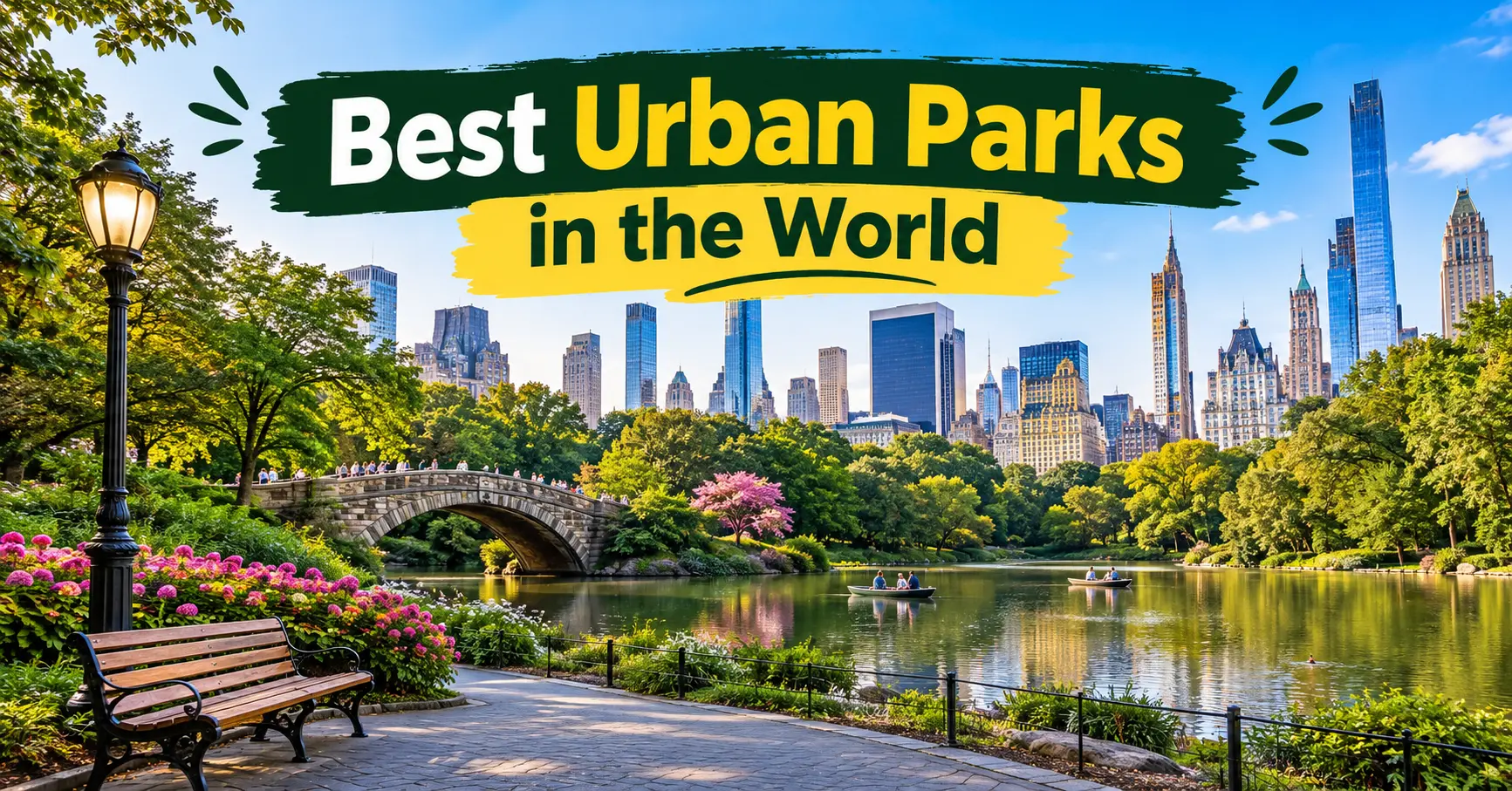
Central Park (New York), Hyde Park (London), Retiro Park (Madrid), Gardens by the Bay (Singapore), Ibirapuera Park (São Paulo), the High Line (New York), and Englischer Garten (Munich) stand out for their design, history, and daily public use.
Cities are loud, fast, and crowded, which is exactly why a great park matters. The best urban parks in the world give residents room to breathe and give visitors a front-row look at local life. Whether you want lakes, gardens, public art, or skyline views, there is a park that fits your trip. At Ultimate Fandom, we built this guide for travelers, photographers, and curious readers who want clear, trustworthy picks instead of recycled lists.
Our editorial team applied the same five checks to every park, in line with Ultimate Fandom research standards:
Key facts reflect publicly available figures from park authorities and heritage organizations. Always confirm hours, fees, and rules on each park’s official website before you visit.
City planners and public health researchers agree that parks do far more than look pretty. Tree canopy lowers summer temperatures in dense neighborhoods, which helps during heat waves. Lawns and wetlands absorb stormwater and reduce flooding. Paths and playgrounds give people free places to exercise, and shared green space helps neighbors meet each other. The World Health Organization has long recommended that cities protect and expand public green areas because they support both physical and mental wellbeing. When you visit a great park, you are also seeing smart city planning at work.
Central Park is the benchmark among the best urban parks in the world. Designed by Frederick Law Olmsted and Calvert Vaux, its 843 acres have shaped Manhattan since construction began in 1858. Lakes, meadows, and landmarks such as Bethesda Terrace attract about 42 million visits a year, according to the Central Park Conservancy. Visit on a weekday morning for calmer paths and softer light over the Reservoir.
One of London’s eight Royal Parks, Hyde Park covers about 350 acres and has been open to the public since 1637. Rowing on the Serpentine, the Diana Memorial Fountain, and Speakers’ Corner blend leisure with civic history. Pair it with neighboring Kensington Gardens for a full-day walk.
Once a royal retreat, Buen Retiro Park is now Madrid’s favorite public living room. UNESCO recognized the Paseo del Prado and Buen Retiro as a World Heritage landscape in 2021. Locals row on the boating lake, admire the glass Crystal Palace, and stroll through the rose garden on weekends.
Opened in 2012, this 101-hectare garden district is famous for its Supertree Grove, towering vertical gardens that light up each night. Climate-controlled conservatories and waterfront paths show how modern landscape design can turn reclaimed land into a botanical destination. The outdoor gardens are free to enter.
Opened in 1954, Ibirapuera Park spans roughly 158 hectares, or about 390 acres, in the middle of Brazil’s largest city. Modernist buildings by architect Oscar Niemeyer house museums and event spaces, while wide lawns and lakes keep joggers, cyclists, and families busy all week.
Opened in phases from 2009, this 1.45-mile elevated park was built on a former freight rail line on Manhattan’s West Side. Native plantings, public art, and city views made it a global model for turning old infrastructure into green space.
Established in 1789, the Englischer Garten stretches about 375 hectares, making it larger than Central Park. Visitors watch surfers ride the Eisbach river wave, cycle shaded trails, and relax at the Chinese Tower beer garden.
If you only have time for one park per city, pick the one with the strongest link to local history. You will learn more about the place, and you will often meet residents who are happy to share their favorite corner of the park. Slow travel almost always beats a packed checklist.
These seven parks prove that green space is not a luxury. It is part of what makes a city livable. Whether you choose New York’s classic lawns or Singapore’s glowing Supertrees, the best urban parks in the world reward slow exploration. Ultimate Fandom will keep publishing well-researched travel and culture guides, so bookmark this page and share your favorite park with fellow readers.Plan your route, travel light, and leave each park as clean as you found it so future visitors can enjoy it too.
What are the best urban parks in the world?
Central Park, Hyde Park, Retiro Park, Gardens by the Bay, Ibirapuera Park, the High Line, and Englischer Garten are consistently praised for their design, heritage, and visitor experience.
Which urban park on this list is the largest?
Englischer Garten in Munich is the largest here at about 375 hectares. Central Park covers 843 acres, which is roughly 341 hectares.
Are urban parks free to visit?
Most are free to enter. Some attractions inside them, such as conservatories, boat rentals, and special exhibitions, charge separate fees.
When is the best time to visit an urban park?
Spring and early autumn suit temperate cities like New York, London, and Munich. In tropical Singapore, evenings are cooler and the Supertrees are lit.
Why do urban parks matter for cities?
Parks cool neighborhoods, filter air, support wildlife, and provide space to exercise. Public health agencies, including the World Health Organization, link access to green space with better physical and mental wellbeing.
Reference: Urban park, Wikipedia