- Ideas for a more considered life
- Travel deeper . Work smarter . Live better
- Join 50,000+ readers
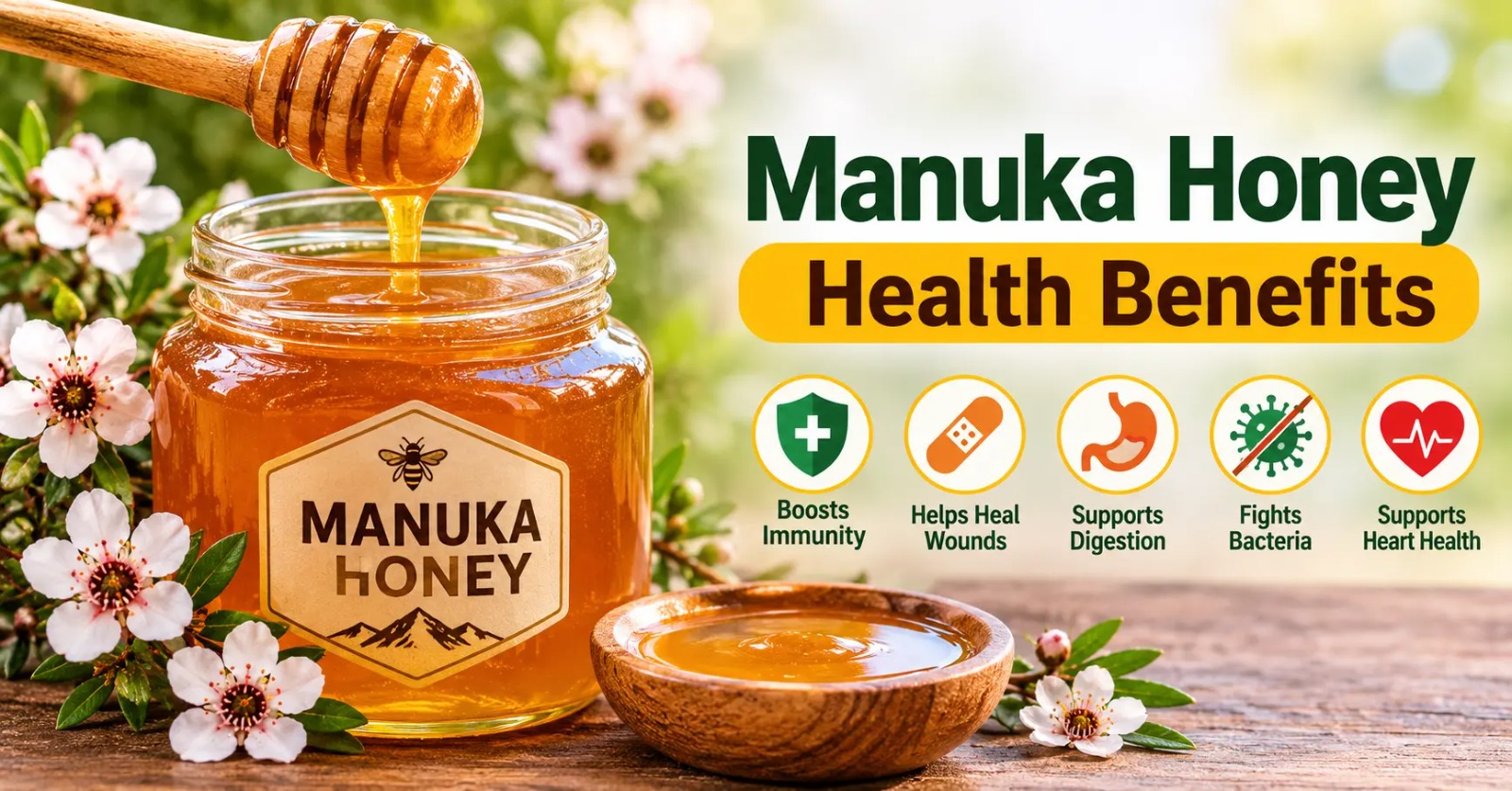
Manuka honey has moved from a niche New Zealand remedy to a staple in kitchens and wellness cabinets worldwide. People love its earthy flavor, but the real attraction is what it may do for the body. If you are curious about manuka honey health benefits, this guide explains what makes it special, what research actually says, and how to use it wisely. At Ultimate Fandom, we like to keep things practical, so you will find clear answers instead of exaggerated claims.
Manuka honey is made by bees that pollinate the manuka bush, scientifically called Leptospermum scoparium, which grows wild across New Zealand and parts of Australia. The honey is dark, thick, and slightly bitter-sweet compared with regular honey. What sets it apart is a naturally occurring compound called methylglyoxal, or MGO, which forms from dihydroxyacetone found in manuka nectar. MGO is closely linked to the honey’s antibacterial activity, which is why manuka honey is studied far more than ordinary table honey.
Not every jar delivers the same potency, so grading matters. You will usually see an MGO number, such as MGO 250, or a UMF rating, such as UMF 10+. Higher numbers mean more of the active compounds. For everyday eating, many people choose UMF 5+ to 10+, while higher grades are often kept for more targeted uses. Always check the label for a trusted certification and a clear origin, because unverified blends can be sold as manuka honey without delivering the same quality.
Wound care is the best-supported use. Medical-grade manuka honey dressings can keep a wound moist, limit bacterial growth, and support tissue repair. Studies on minor burns and some chronic wounds are encouraging, yet it should never replace professional medical care for serious injuries. Always clean the area first and follow medical advice.
A spoonful of manuka honey coats the throat and may calm irritation. Its antibacterial nature and thick texture make it a popular home remedy during cold season. Stir it into warm water or herbal tea, but let the drink cool slightly so excessive heat does not damage its beneficial compounds.
Laboratory research suggests manuka honey can slow the growth of bacteria linked to plaque and gum problems. Some people use it as part of a mouth-care routine, although it contains sugar, so it is not a substitute for brushing and flossing. Ask your dentist before making it a regular habit at home.
Early studies point toward possible benefits for stomach ulcers and gut balance, but human evidence is limited and mixed. Think of manuka honey as a gentle supporter of a healthy diet rather than a treatment for digestive disease.
Applied topically, manuka honey may help calm irritation and support skin repair, which is why it appears in many skin care products. Patch test first, gently, because sensitive skin can react.
Like other dark honeys, it contains antioxidants such as flavonoids and phenolic compounds that help the body deal with oxidative stress. These support overall wellness, though the amount you eat is small, so balance remains essential.
A small daily serving is an easy habit. One teaspoon on an empty stomach, a spoonful swirled into oatmeal, or a drizzle over Greek yogurt are simple ways to start. Because manuka honey is still sugar, keep portions modest, usually one to two teaspoons a day. Pairing it with fiber, protein, or healthy fats helps slow sugar absorption, and using it in place of refined sweeteners can make your meals more nutritious without losing flavor. Just as readers at Ultimate Fandom enjoy returning to their favorites, a small daily ritual is far easier to maintain than a dramatic diet overhaul.
You do not need a complicated recipe. Spread a thin layer on whole grain toast with almonds, blend a teaspoon into a morning smoothie, or mix it into a warm lemon drink during winter. It also works well in salad dressings, marinades, and baked oats. Because heat can reduce some beneficial compounds, add it after cooking whenever possible and enjoy it raw for the most benefit.
Manuka honey is safe for most adults, but not everyone. Never give honey to babies under twelve months because of the risk of infant botulism. People with diabetes should speak with a doctor, since honey raises blood sugar. Anyone allergic to bees, pollen, or other honey should avoid it. If you take medication or have a chronic condition, check with a healthcare professional first. Pregnant or breastfeeding women should also ask their doctor.
Look for a verified UMF or MGO rating, a New Zealand origin statement, and traceable batch information. Be cautious about very cheap jars, since real manuka honey is costly to produce. Store it in a cool, dark cupboard with the lid sealed, and use a clean spoon each time to keep it fresh. Reading the label carefully takes only a minute and protects both your health and your budget.
What are the main manuka honey health benefits?
The most researched benefits include wound healing, throat soothing, and oral health support, with antioxidant and digestive benefits showing promise but needing more human studies.
How much manuka honey should I eat daily?
Most adults do well with one to two teaspoons a day. Start small and increase only if your body tolerates it.
Is manuka honey better than regular honey?
It contains higher levels of MGO and has stronger antibacterial activity, but regular honey is cheaper and still offers some antioxidant value.
Can manuka honey help with a sore throat?
Yes, a spoonful or a warm drink with manuka honey can soothe irritation, though persistent symptoms deserve medical attention.
Is manuka honey safe for everyone?
No. Infants, people with bee or pollen allergies, and those managing diabetes should avoid it or speak with a doctor first.
Manuka honey health benefits are real but modest, and they work best alongside a balanced lifestyle. Choose a certified grade, keep portions sensible, and treat it as a nutritious upgrade rather than a miracle cure. Ultimate Fandom hopes this guide helps you enjoy it with confidence. For a deeper look at the science, explore this Healthline guide to manuka honey.