- Ideas for a more considered life
- Travel deeper . Work smarter . Live better
- Join 50,000+ readers
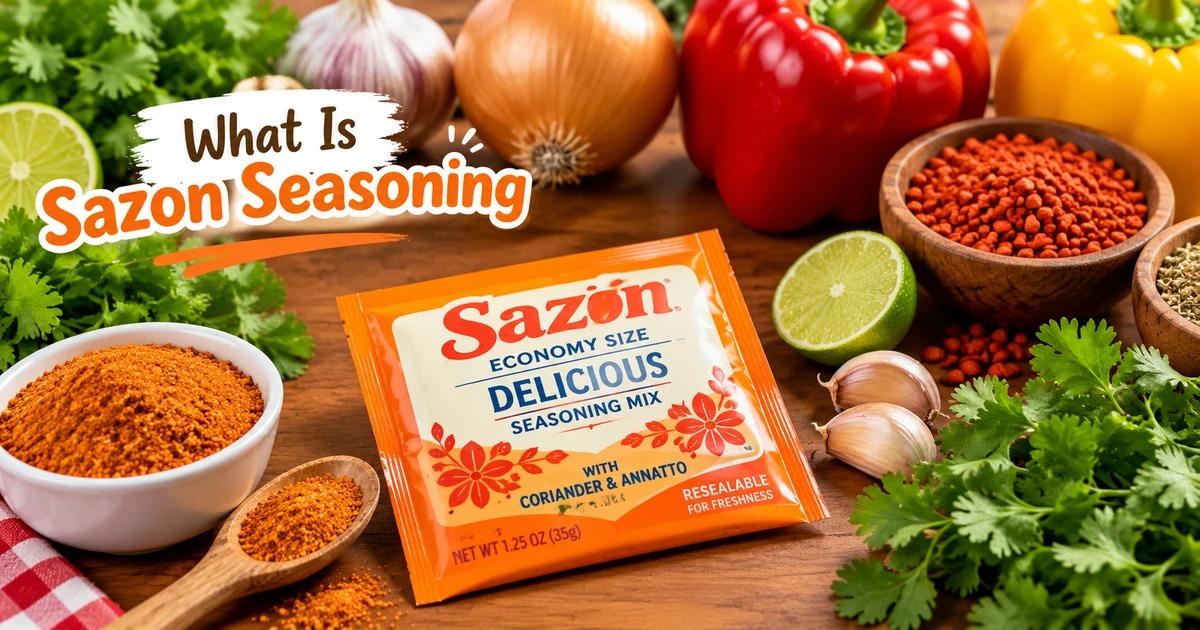
Sazon seasoning is a Latin American and Caribbean spice blend built around annatto, cumin, coriander, garlic, and salt. It gives rice, beans, stews, and grilled meats a warm golden-orange color and a savory, earthy depth. If you have ever wondered what is sazon seasoning and why Puerto Rican kitchens rarely run out of it, this guide explains the ingredients, flavor, uses, and smart shortcuts. At Ultimate Fandom, we love food culture as much as pop culture, so let us break it down simply.
Many shoppers assume sazon is just another all-purpose rub, or they mix it up with adobo. The confusion is understandable because the word sazón simply means seasoning in Spanish. In practice, the blend has a clear identity. Its signature ingredient is annatto, ground from the seeds of the achiote tree, which supplies the famous color and a mild, peppery, slightly nutty note. Adobo, by contrast, leans on garlic, oregano, and black pepper for savory punch without much color. Once you know that difference, choosing between them becomes easy.
Sazon is closely tied to Puerto Rican cooking, though similar seasoning habits appear across Latin America and the Caribbean. Home cooks traditionally ground annatto, garlic, and herbs by hand. When packaged versions reached supermarkets in the United States, sazon became a pantry staple far beyond Puerto Rican homes. Today you will find it in Dominican, Cuban, and Mexican-inspired recipes, plus plenty of fusion dishes.
Recipes vary by family and brand, but most blends rely on the same building blocks. Here is how each ingredient contributes.
| Ingredient | What It Does |
| Annatto (achiote) | Gives color and a mild earthy note |
| Cumin | Adds warmth and smoky depth |
| Coriander | Brings light citrus and floral notes |
| Garlic powder | Builds the savory backbone |
| Salt | Sharpens and carries every other flavor |
| Oregano or black pepper | Adds herbal or peppery balance |
Many store-bought packets, including the popular Goya version, also contain monosodium glutamate, which boosts savoriness. Some add food coloring too. If you prefer a cleaner option, look for blends labeled without MSG or make your own at home. A quality blend should look warm orange or brick red rather than pale or brown. Importantly, sazon is not spicy hot. The flavor is savory, earthy, and gently peppery, so it suits children and spice-sensitive eaters well.
Sazon works on several levels at once. Salt and garlic season the food, cumin and coriander add aromatic complexity, and annatto makes the dish look as good as it tastes. When sazon hits hot oil at the start of cooking, the spices bloom and release fat-soluble flavor compounds that spread evenly through rice, beans, or meat. That is why a small amount can turn a plain pot of rice into arroz amarillo. Many cooks also pair sazon with sofrito and adobo, creating layered seasoning that tastes slow-cooked even on a busy weeknight.
Sazon is versatile, but it shines in certain dishes. These are the best places to use it:
Consider skipping it in these situations:
A simple rule helps with portions: use roughly one packet, or about one quarter teaspoon of homemade blend, for every two cups of rice or every pound of meat. Taste the dish near the end, then adjust salt and herbs. Sazon should support the other ingredients, not hide them.
Start with the ingredient list. Annatto or achiote should appear near the top, and the color should come from the spice itself. Smell the packet or jar: fresh sazon smells earthy and aromatic, while a musty smell points to old cumin or coriander. Check sodium too, since many packets contain a large share of salt. If you cook for guests with allergies, confirm the label for gluten and additives. Jars are easy to measure with a spoon, while individual packets give consistent portions for quick meals. As the team at Ultimate Fandom often says, good ingredients make every meal feel like a celebration.
Making sazon takes five minutes and lets you control the salt. Mix these ingredients and store them in an airtight jar:
Use about one quarter teaspoon of this blend in place of a store-bought packet, and add salt separately to taste. Keep the jar in a cool, dark cupboard and use it within three to six months for the best color and aroma.
Sazon seasoning is a simple way to add color, aroma, and savory depth to everyday cooking. Keep a jar or a few packets nearby, start with small amounts, and let the annatto do its work. Try it tonight in your rice. Thanks for cooking along with Ultimate Fandom.
What does sazon seasoning taste like?
Sazon tastes savory, earthy, and mildly peppery, with warm cumin, light citrus from coriander, and a gentle nutty note from annatto.
Is sazon seasoning spicy?
No. Traditional sazon is flavorful rather than hot. It contains no chili heat, so most people can enjoy it comfortably.
What is the difference between sazon and adobo?
Sazon relies on annatto for color and earthy flavor, while adobo focuses on garlic, oregano, and pepper. Many Latin recipes use both together.
What can I use instead of sazon seasoning?
Mix paprika, cumin, garlic powder, and a pinch of turmeric. It will not match annatto exactly, but it gives similar color and warmth.
Does sazon seasoning contain MSG?
Many commercial packets do, but versions without MSG exist. Always read the label, or make the homemade blend above.