- Ideas for a more considered life
- Travel deeper . Work smarter . Live better
- Join 50,000+ readers
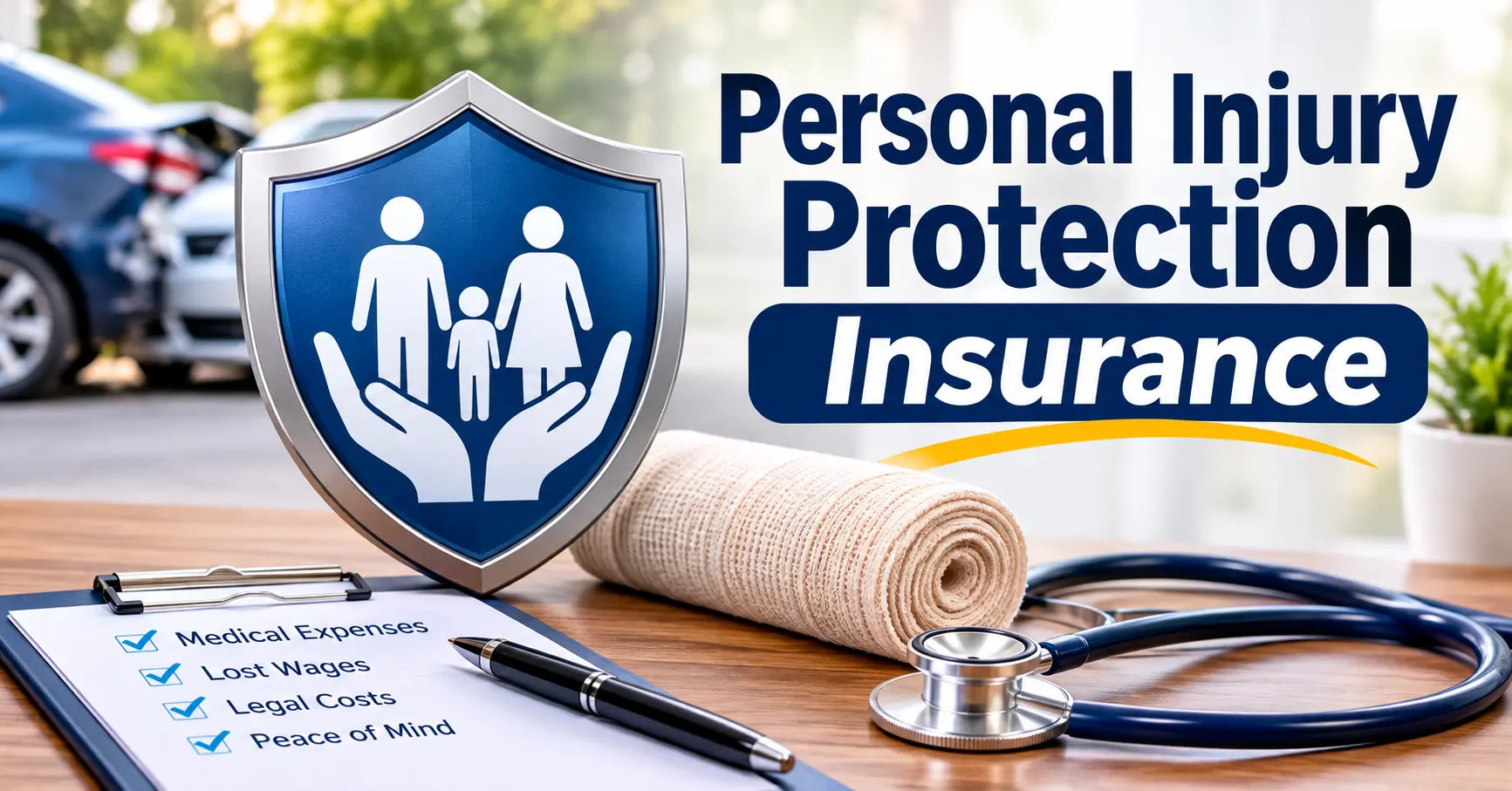
A car accident can leave you with medical bills and missed paychecks before anyone even decides who caused the crash. That is the gap PIP is built to close. In this guide from Ultimate Fandom, you will learn how personal injury protection insurance works, what it pays for, how much it costs, and how to decide whether your policy needs it.
Quick answer: PIP is an optional or mandatory auto coverage, depending on your state, that pays your medical expenses and certain related costs after a crash, no matter who was at fault.
PIP, often called no-fault coverage, is a part of your auto policy that pays for your own injuries and, in many cases, those of your passengers. Because it is a first-party coverage, you claim from your own insurer instead of waiting for a fault investigation or a settlement with the other driver.
That speed is the main benefit. When medical treatment cannot wait, PIP lets you start getting paid quickly, and it can keep working even if the crash was partly your fault.
Exact benefits depend on your state and policy, but PIP commonly includes:
PIP does not pay for vehicle repairs. Collision coverage or the at-fault driver’s property damage liability handles that side of the claim. It also will not cover intentional acts or injuries sustained while committing a crime.
Rules vary widely across the United States. Some no-fault states require drivers to carry PIP, while others simply make it available as an add-on. Florida, for example, requires drivers to carry $10,000 in PIP coverage, and New York mandates basic no-fault benefits of up to $50,000 per person. Michigan, New Jersey, Pennsylvania, Minnesota, Kansas, Kentucky, Utah, and Hawaii also use no-fault systems with their own limits and options.
Because laws change, always confirm current requirements with your state insurance department before you buy or renew a policy.
Many drivers confuse these three, so here is a simple breakdown:
In many cases, PIP pays first, which can help you avoid out-of-pocket costs and keep your health insurance claims history cleaner.
If you live in a state that requires PIP, the answer is yes. In states where it is optional, think about your financial cushion. Ask yourself whether you could cover a few thousand dollars in medical bills and a month of lost income without stress. If not, adding personal injury protection insurance is a practical safeguard.
It is especially valuable for drivers with high health insurance deductibles, people without paid sick leave, freelancers, and families who regularly carry passengers.
Premiums depend on your state, driving record, age, vehicle, ZIP code, and the coverage limit you choose. In many states, PIP adds a modest amount to your monthly premium, and higher limits cost more. Pricing for PIP can vary by hundreds of dollars a year between insurers, so comparing at least three quotes is one of the smartest moves you can make.
Ask about discounts too. Bundling home and auto, maintaining a clean record, and completing a defensive driving course can all lower your rate.
Acting fast matters, because many states set strict deadlines for no-fault claims. Follow these steps:
If a claim is delayed or denied, request the reason in writing. You can appeal, contact your state insurance department, or speak with a licensed attorney.
Drivers often choose the lowest limit without checking how quickly medical costs add up. Others wait too long to report a crash, which can put benefits at risk. Finally, some assume PIP replaces liability insurance. It does not. You still need liability coverage to protect you if you injure someone else. At Ultimate Fandom, we always suggest reading your policy declarations page line by line before choosing any limits.
Smart coverage choices protect both your health and your finances. Now that you understand how personal injury protection insurance works, review your current policy, compare quotes, and choose limits that match your real-life risk. For more clear, practical guides, keep exploring Ultimate Fandom and share this article with a friend who drives.
Disclaimer: This article is for educational purposes only and is not legal or insurance advice. Coverage, limits, and rules differ by state and insurer, so verify details with your insurance provider or state regulator.
Is personal injury protection insurance mandatory?
It depends on where you live. Several no-fault states, including Florida, New York, Michigan, and New Jersey, require some level of PIP. In many other states it is optional. Check your state’s current rules.
Does PIP cover passengers in my car?
In most cases, yes. PIP typically covers the policyholder, family members listed on the policy, and passengers in the insured vehicle, although specifics vary by state and policy.
Does PIP pay lost wages?
Yes, in most states. PIP can reimburse a portion of lost income if injuries from a covered accident keep you from working, usually up to a percentage and time limit set by your state or policy.
Does a PIP claim raise my insurance rates?
Possibly. Because PIP is no-fault, many insurers treat it differently from at-fault claims, but a claim can still influence your premium. Ask your insurer how it handles claim history.
Can I use PIP and health insurance together?
Often, yes. PIP usually pays first for crash-related injuries, and your health insurance may help with remaining costs. Coordination rules differ by state, so confirm with both insurers.
Reference: For a deeper look at how no-fault auto insurance works across the country, see the Insurance Information Institute’s guide on no-fault auto insurance.