- Ideas for a more considered life
- Travel deeper . Work smarter . Live better
- Join 50,000+ readers
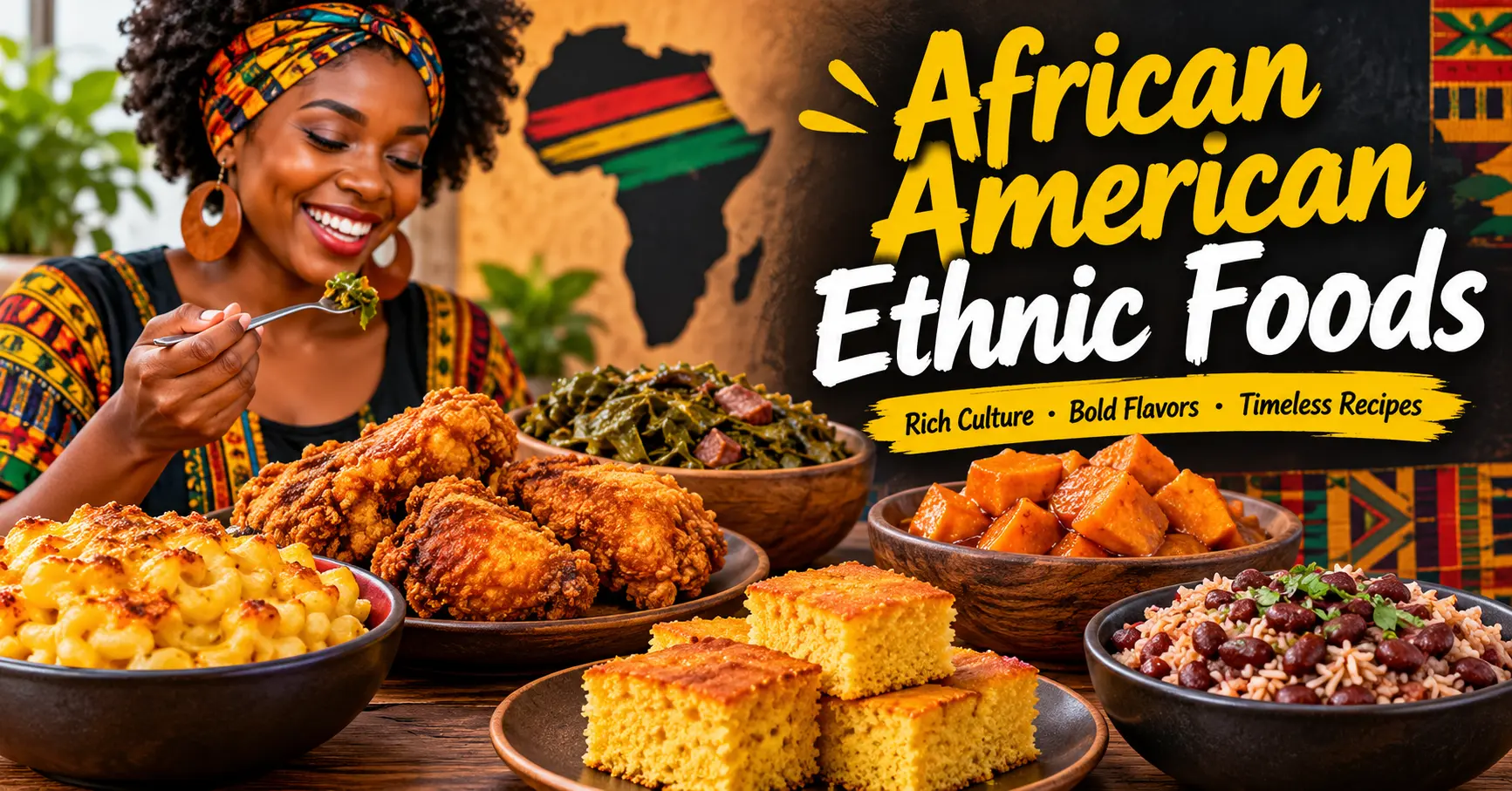
Few cuisines tell the story of the United States as clearly as African American ethnic foods. Every pot of greens, skillet of cornbread, and Juneteenth barbecue carries history: African agricultural knowledge, survival under enslavement, migration across the country, and creativity that continues today. At Ultimate Fandom, we want readers to understand not only what these dishes are, but where they come from and why they matter.
Quick answer: this cuisine grew from West and Central African ingredients and techniques, adapted under the scarcity of enslavement, spread during the Great Migration, and is celebrated today through soul food, Gullah Geechee cooking, and holiday traditions such as Juneteenth.
Enslaved Africans brought agricultural knowledge, cooking techniques, and ingredients such as okra, black-eyed peas, sorghum, and yams. When African ingredients were unavailable, cooks used local substitutes, most notably sweet potatoes in place of yams and cornbread as a counterpart to African grain breads. Cultural historian Jessica B. Harris describes this process as culinary memory, the way identity survives through taste, texture, and method.
Enslaved people were typically given the least desirable cuts, such as offal, fatback, and ham hocks, along with rationed cornmeal and molasses. Cooks slow-simmered and seasoned these foods and paired them with garden greens such as collard, mustard, and turnip greens. Chitterlings, fried chicken, catfish, and macaroni and cheese emerged from this blend of African technique and imposed scarcity. These dishes reflect remarkable resourcefulness and skill, not just hardship, and they helped sustain community bonds.
Soul food is the style most Americans recognize. It typically includes collard greens, cornbread, fried chicken, fried catfish, black-eyed peas, and baked macaroni and cheese. Beyond the menu, it is tied to Sunday dinners, church gatherings, and family reunions, where a shared meal strengthens community. Soul food is one important branch of the larger tradition, not the whole story, and regional styles differ across the South and beyond.
Gullah Geechee communities settled along the coasts of North Carolina, South Carolina, Georgia, and Florida, and their cooking reflects the sea and the rice fields. West African rice farmers, whose expertise made them valuable to coastal planters, were enslaved in the Lowcountry. Because enslavers often left Black overseers in charge during malaria season, these communities kept more autonomy to preserve African traditions, rituals, and cooking.
Signature dishes include shrimp and grits, hoppin’ John, she-crab soup, and Lowcountry boils, which combine protein, starch, and vegetables in one pot. These traditions help explain why many African American ethnic foods feel so closely tied to place. Gullah cooks later became primary cooks in many Southern kitchens, which helped shape coastal Southern cuisine as a whole.
After emancipation, many African Americans moved from the rural South to cities such as Chicago, New York, and Los Angeles. Soul food restaurants, church dinners, and home kitchens became key places for passing recipes along and for keeping Southern heritage alive in new surroundings. Food also served community needs: the Black Panther Party, for example, organized community meal programs as part of its survival efforts.
Juneteenth is rooted in Galveston, Texas, where Union soldiers freed the last enslaved Africans in 1865, two years after the Civil War ended. Its table shows how African American ethnic foods carry symbolism. Barbecue, including pork ribs, roasted chicken, and hot links, marks gatherings and milestones. Tommie Boudreaux of the Galveston Historical Foundation says these meat traditions grew from enslaved people making flavorful meals from scraps.
Red foods and drinks symbolize the bloodshed, resilience, and strength of enslaved people, and red also holds spiritual value among the Yoruba and Kongo peoples. Hibiscus tea comes from a plant native to West Africa, and watermelon represents newfound freedom, since newly freed farmers grew and sold it to support themselves. Many family recipes are passed down without being written.
Traditional preparations can be high in fat, salt, and sugar, which has been linked to hypertension and type 2 diabetes. Many original African foods, however, were largely plant-based and nutrient-dense. Today, chefs, nutritionists, and food activists are creating lighter versions, such as using smoked turkey instead of pork or building plant-based dishes. If you have dietary needs, ask a doctor or registered dietitian for personal guidance. Small changes, such as baking instead of frying, can lighten a dish without losing its character.
Eat at Black-owned restaurants, read cookbooks and histories by Black food scholars, visit museums, and cook family recipes with the people who know them. When you share or adapt a dish, credit its origins instead of calling it “inspired by” without naming the culture behind it. Local food festivals, community cookbooks, and oral-history projects are also excellent ways to learn directly from the cooks who keep these traditions alive.
African American ethnic foods are living history on a plate. They connect African roots, the endurance of enslaved cooks, regional traditions like Gullah Geechee cooking, and the creativity of chefs today. Ultimate Fandom hopes this guide helps you appreciate the culture behind every dish. This article reflects information available in November 2026 and is general educational content.
What are the most popular african american ethnic foods?
Well-known dishes include collard greens, cornbread, fried chicken, fried catfish, black-eyed peas, and macaroni and cheese. Coastal favorites include shrimp and grits and hoppin’ John.
What is the difference between soul food and Gullah Geechee cooking?
Soul food is the broader Southern-rooted style found across the country. Gullah Geechee cooking is a coastal tradition from North Carolina to Florida, centered on rice, seafood, okra, and one-pot meals.
Why is red important on Juneteenth?
Red symbolizes the bloodshed, resilience, and strength of enslaved people. It also links the holiday to Yoruba and Kongo spiritual traditions from West and Central Africa.
How did the Great Migration change Black food traditions?
As families moved to cities like Chicago, New York, and Los Angeles, soul food restaurants, church dinners, and home kitchens kept Southern traditions alive and spread them nationwide.
Is soul food unhealthy?
Some traditional versions are high in fat, salt, and sugar, but many original African ingredients were plant-based. Ultimate Fandom suggests asking a doctor or dietitian about your own needs and trying lighter modern recipes.
Reference: to explore African American history and culture further, visit the Smithsonian National Museum of African American History and Culture.