- Ideas for a more considered life
- Travel deeper . Work smarter . Live better
- Join 50,000+ readers
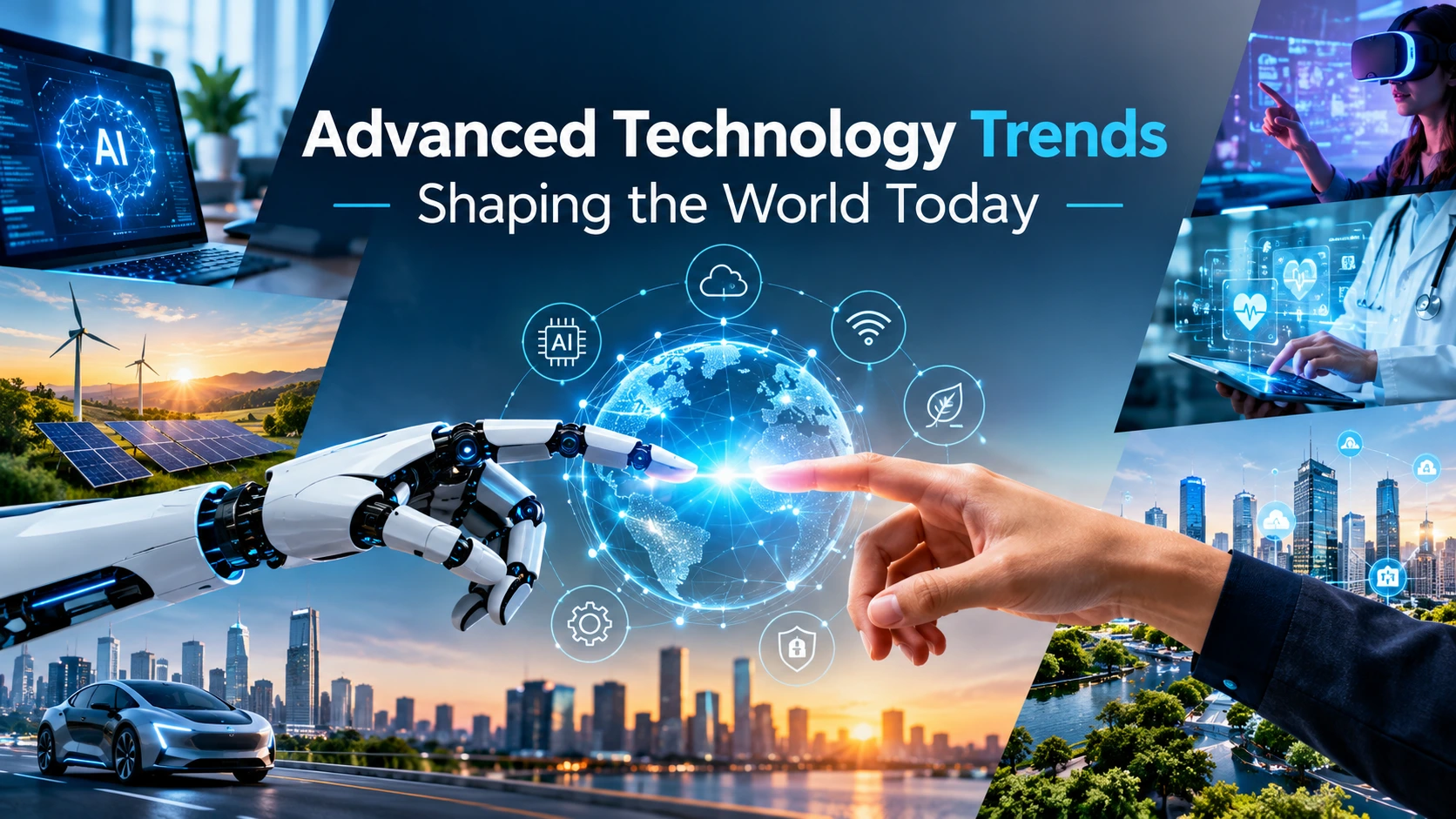
Every few years, technology stops being a tool and becomes the environment we work in. We are in one of those moments right now. Artificial intelligence is moving from chatbots to autonomous agents, computing is getting more specialized, and security has shifted from reacting to threats to preventing them. If you want to understand the advanced technology trends shaping the world today, you need more than a headline list. You need to know how these trends connect and what they mean for your decisions.
At Ultimate Fandom, we follow technology the way fans follow their favorite stories: closely, critically, and with an eye on what comes next. This guide breaks down the ten biggest strategic technology trends, groups them into three clear themes, and shows you how to act on each one.
Technology planning used to be a yearly IT exercise. Today it is a core business strategy. Analyst firms such as Gartner publish an annual list of top strategic technology trends because leaders need a filter. Thousands of tools launch every year, but only a handful will change how your industry operates.
The trends below follow that same logic. Each one is already moving from experiment to real investment, and each one carries both opportunity and risk.
The most useful way to read this list is by theme rather than as ten separate items. Think of it as three layers: the foundation you build on, the intelligence you apply, and the protection you put around it.
Software teams are moving beyond simple code suggestions. AI-native platforms let small teams, and even non-developers, describe what they want and get working applications. This shortens delivery from months to days and changes who can build software. The risk is quality and governance, so human review and clear standards remain essential.
Modern AI needs enormous computing power. AI supercomputing platforms combine specialized chips, high-speed networking and orchestration software into one system. Organizations that rely on them can train and run larger models faster, but costs and energy use are rising quickly. Efficiency is becoming a competitive advantage.
Data is usually protected when stored or sent, but exposed while being processed. Confidential computing closes that gap by keeping data encrypted even during use, inside secure hardware environments. It is especially valuable for healthcare, finance and any business sharing sensitive data across clouds or partners.
Instead of one large AI doing everything, multiagent systems use many specialized agents that collaborate, much like a team. One agent researches, another drafts, another checks the work. This approach handles complex workflows better and scales more easily, though it requires strong coordination and clear limits on what each agent may do.
General models are impressive, but they are not experts in your industry. Domain-specific models are trained on legal, medical, financial or technical data, so they give more accurate, relevant answers with fewer errors. They are also often cheaper to run and easier to keep private.
AI is leaving the screen. Physical AI powers robots, drones, autonomous vehicles and smart machines that sense and act in the real world. Warehouses, factories, farms and hospitals are already testing it. The challenge is safety, reliability and the cost of deploying hardware at scale.
Waiting for an attack and then responding is no longer enough. Preemptive security uses AI and threat intelligence to predict and block attacks before they land, shifting teams from firefighting to prevention. It reduces damage, downtime and recovery cost.
With AI-generated content everywhere, proving where something came from matters. Digital provenance tracks the origin and history of software, data and media through methods like watermarking and verified records. It protects brands against fakes and helps meet growing regulatory expectations.
As companies adopt more AI tools, they create new attack surfaces such as prompt injection, data leakage and misuse of agents. AI security platforms give organizations one place to monitor, govern and protect all their AI use, including third-party and homegrown systems.
Geopatriation means moving data and workloads away from global cloud providers toward local or regional options. Driven by sovereignty laws, geopolitical tension and risk management, it lets organizations keep tighter control over where their data lives and who can access it.
Taken together, the story is clear. AI is becoming the base layer of nearly every system, and success depends on three things: strong infrastructure, smart specialization and serious security. Companies that treat these as separate projects will struggle. Those that plan them together will move faster with less risk.
What are the advanced technology trends shaping the world today?
The most influential ones include AI-native development, multiagent systems, domain-specific language models, physical AI, preemptive cybersecurity, digital provenance, AI security platforms, confidential computing, AI supercomputing and geopatriation.
Which trend should a small business focus on first?
Start with domain-specific or AI-assisted tools that solve a clear daily problem, and pair them with basic AI security and data governance.
Are these trends only relevant for large enterprises?
No. Cloud services and ready-made AI tools make most of these trends accessible to businesses of any size.
The advanced technology trends shaping the world today are not distant predictions. They are already changing how products are built, how data is protected and how decisions are made. The winners will be those who understand the trends, test them early and keep humans in control.
Stay curious, keep learning, and keep following Ultimate Fandom for clear, practical breakdowns of the technology and culture shaping tomorrow. For deeper research on strategic technology planning, you can also explore Gartner’s technology insights.