- Ideas for a more considered life
- Travel deeper . Work smarter . Live better
- Join 50,000+ readers
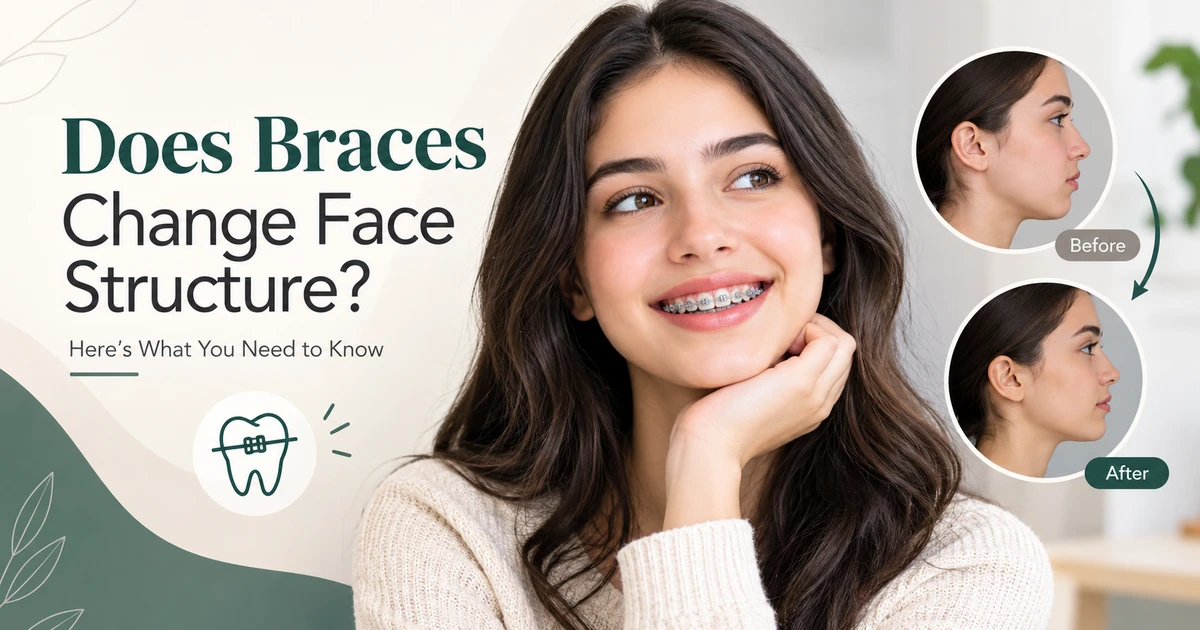
Many people ask, “Does braces change face structure or only your smile?” Braces mainly straighten teeth and correct the bite, but they can also influence how your
Orthodontic treatment applies gentle, controlled pressure over time. As teeth move into healthier positions, the lips and cheeks adapt to their new support.
Braces can change the appearance of your facial structure, but they do not usually reshape facial bones in adults. Most visible changes come from improved tooth alignment and bite correction.
For children and teenagers, the answer can be slightly different because the jaw and facial bones are still developing. In certain cases, orthodontic treatment may help guide jaw growth. The American Association of Orthodontists explains that orthodontic care involves changes in the jaw bones, facial bones, and soft tissues as teeth move into new positions. American Association of Orthodontists
For adults, braces mainly reposition teeth rather than alter mature bone structure. If a severe skeletal jaw problem is present, an orthodontist may recommend orthodontics combined with jaw surgery.
Braces influence the face indirectly. Their main job is to move teeth and align the upper and lower jaws so they work together properly.
The most obvious change is a straighter, more balanced smile. Crowded, rotated, or spaced teeth can make a smile look uneven.
Your front teeth support the upper lip. If the front teeth protrude, the lips may appear pushed forward.
Braces do not build muscle or sculpt the jawline like cosmetic treatment. However, correcting an overbite, underbite, or crossbite can improve how the upper and lower jaws sit together.
Your profile is affected by the position of the teeth, lips, and jaws.
A misaligned bite can force the jaw and facial muscles to compensate while chewing, speaking, or resting. When the bite is corrected, some patients feel less tension and notice a more relaxed facial appearance.
Braces can improve the look of your jawline, but usually indirectly.
For example, a deep overbite may make the lower jaw look recessed. Correcting the bite can allow the chin and jawline to appear better positioned.
However, braces cannot dramatically enlarge, reduce, or reshape the jawbone in adults. If the issue is skeletal rather than dental, your orthodontist may discuss other treatment options.
Yes, adults can notice facial changes after braces, but the changes are usually more subtle than in growing patients.
Adults with protruding front teeth, severe crowding, open bite, deep bite, or jaw misalignment may see improvements in lip posture, smile balance, and profile.
The key is realistic expectations. Braces are designed to improve oral health, bite function, and smile aesthetics.
Every patient is different, but common improvements after braces may include:
These changes are usually gradual. Many people notice the difference when comparing photos from before and after treatment. Friends and family may say you look healthier or more confident without knowing exactly what changed.
The biggest facial changes often occur when braces correct a significant overbite, underbite, crossbite, or severely protruding teeth.
The dental and facial improvements from braces can be long-lasting, but stability depends on retention. After braces are removed, teeth can shift back toward their previous positions.
Braces do not permanently change the underlying bone structure in adults. However, if the corrected tooth position and bite remain stable, the improved lip support, smile balance, and profile can last for many years.
Both braces and clear aligners can improve facial appearance by correcting tooth alignment and bite problems. The appliance itself does not create the facial change.
Traditional braces are often recommended for complex movements, severe rotations, or certain bite corrections. Clear aligners may suit many mild to moderate cases.
Ultimate Fandom believes helpful health content should explain both the benefits and limits of treatment. Braces can enhance your natural features, but they are not a facial-changing cosmetic procedure. The goal is a healthier bite and a smile that suits your face.
Before treatment, an orthodontist examines your teeth, bite, jaw relationship, facial proportions, and oral health. This evaluation helps determine whether braces can improve your smile and whether facial changes are likely.
A personalized plan considers more than straight teeth. It looks at how your teeth, lips, jaws, and facial muscles work together. This approach helps create natural-looking results while supporting long-term oral health.
If you are considering treatment, ask your orthodontist which features may improve in your case. Clear communication helps you set realistic expectations and understand the difference between smile enhancement and facial restructuring.
So, does braces change face structure or only your smile? Braces mainly improve your smile and bite, but they can also create subtle improvements in facial balance, lip support, jawline appearance, and side profile.
For most people, braces do not create a completely different face. Instead, they help the teeth, jaws, lips, and facial muscles work together more harmoniously.
Do braces change your face shape permanently?
Braces can create long-lasting improvements in smile balance and facial profile, but they do not permanently reshape adult facial bones. Wearing your retainer as prescribed helps maintain the results.
Can braces make your jawline look better?
Yes. By correcting bite problems such as an overbite or underbite, braces can help the jaws sit in a more balanced position, which may make the jawline appear more defined.
Do braces make your face look slimmer?
Braces do not remove facial fat. However, improving tooth alignment and bite balance can sometimes make the lower face appear more defined or proportionate.
Can braces improve facial symmetry?
Braces may improve the appearance of symmetry by correcting uneven tooth positions and bite problems. Significant skeletal asymmetry may require a more specialized treatment plan.
How long does it take to see facial changes after braces?
Some changes appear gradually during treatment, while the full result is usually visible after braces are removed and the bite has settled. The timeline depends on your treatment plan and the severity of the issue.