- Ideas for a more considered life
- Travel deeper . Work smarter . Live better
- Join 50,000+ readers
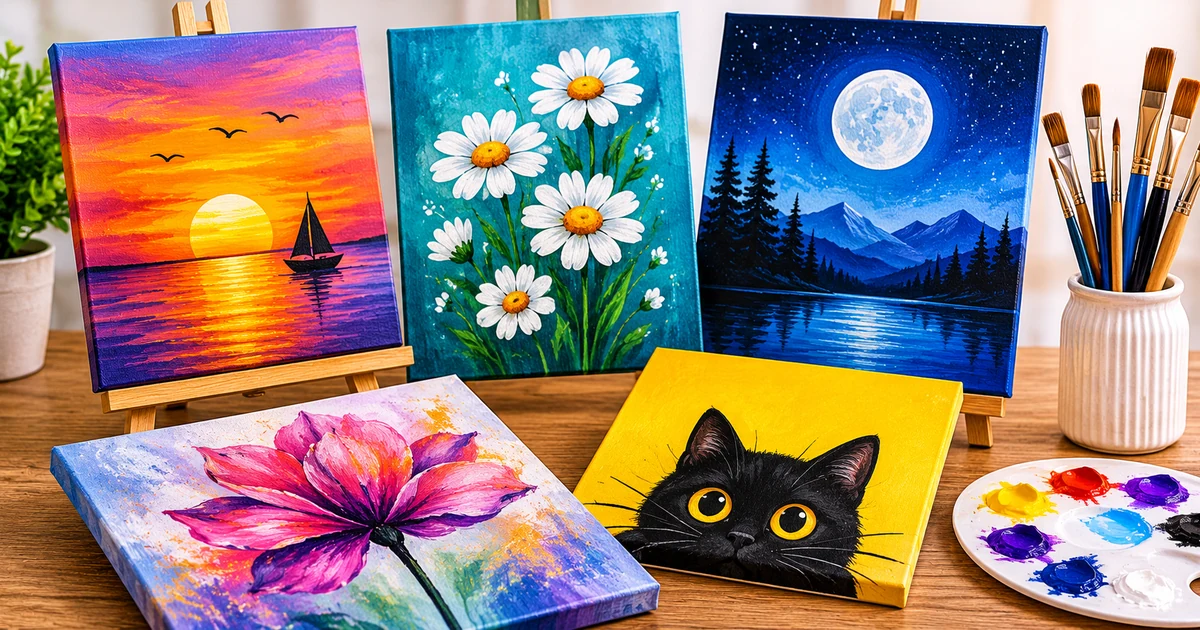
Few mediums are as forgiving and versatile as acrylics. They dry quickly, clean up with water, and work on almost any surface. Whether you are picking up a brush for the first time or searching for fresh inspiration, these acrylic painting ideas will help you turn a blank canvas into something you are proud of. At Ultimate Fandom, we love sharing creative projects that anyone can try at home, and this guide brings together themes, techniques, and practical tips for every skill level.
Acrylic paint is water-based, so you do not need harsh solvents or a complicated setup. It dries within minutes, which lets you layer colors without waiting days, and it becomes water-resistant once cured. You can thin it down for a watercolor effect or use it straight from the tube for thick, textured strokes. Because it is also affordable, it is ideal for experimenting without fear of wasting expensive materials.
Millions of hobbyists browse acrylic painting ideas on Pinterest every day, which shows just how popular the medium has become. Another big advantage is flexibility: you can paint on canvas, wood, paper, stone, fabric, and even glass, as long as the surface is properly prepared. That freedom means your next project can be as small as a coaster or as large as a wall mural.
If you are just starting out, choose simple subjects that teach you color mixing and brush control without overwhelming you. Here are six beginner-friendly projects to try:
Each of these projects takes less than two hours, and none requires advanced drawing skills. Sketch a light pencil outline if it helps, then focus on blocking in large shapes before adding details. Start with a small canvas, such as 8 by 10 inches, so you can finish a piece in one sitting and build confidence quickly. Do not worry about perfection; every layer you add can be corrected.
Once you are comfortable with the basics, a few techniques can instantly make your paintings look more professional. Dry brushing uses very little paint on a stiff brush to create rough, textured highlights, which works beautifully for tree bark or rocky landscapes. Glazing involves applying thin, transparent layers of color over a dried base to add depth and glow. A palette knife lets you spread thick paint for dramatic, sculptural effects in skies and flowers. Sponging is great for clouds, foliage, and soft blurred backgrounds, while masking tape helps you create crisp edges and clean geometric lines.
Color choice matters as much as technique. Complementary pairs such as blue and orange create energy, while analogous palettes like blue, teal, and green feel calm and harmonious. Limiting yourself to three or four colors plus white is a smart way to keep a painting cohesive and teach yourself how mixing really works. Practice each technique on a scrap canvas first, and do not be afraid to combine two or three of them in the same piece.
To help you plan your next project, the table below compares popular acrylic painting ideas by difficulty, time, and color palette.
| Idea | Skill Level | Time Needed | Key Colors |
|---|---|---|---|
Sunset Sky | Beginner | 1 hour | Orange, pink, purple |
| Ocean Waves | Beginner | 1.5 hours | Teal, navy, white |
| Abstract Pour | Beginner | 1 hour | Mixed bright shades |
| Floral Bouquet | Intermediate | 2 hours | Red, green, yellow |
| Mountain Landscape | Intermediate | 2.5 hours | Gray, blue, white |
| Animal Portrait | Advanced | 4 hours | Brown, black, cream |
Choose a project that matches the time you have, and remember that a quick, simple painting often teaches more than a complicated one you never finish. As your confidence grows, move up to intermediate and advanced subjects, such as layered landscapes or detailed portraits, where patience and careful blending really pay off.
A small, well-chosen kit is all you need. Many creative communities, including Ultimate Fandom, suggest starting with student-grade paints before investing in professional ones.
Keep your paints moist with a spray bottle, work from the background to the foreground, and clean your brushes immediately after use so they last longer. Finally, take photos of your progress; they help you spot mistakes and track your improvement over time.
Yes. It is affordable, dries fast, and cleans up with water, so mistakes are easy to fix by simply painting over them once the layer is dry.
What surfaces can I use for acrylic painting?
Stretched canvas, canvas boards, wood panels, heavy paper, and even stone work well. Apply a coat of gesso to raw or slippery surfaces first so the paint grips properly.
How long does acrylic paint take to dry?
Thin layers usually feel dry in 10 to 20 minutes, while thick applications can take several hours. Full curing may take a few weeks.
How can I slow down the drying time?
Use a retarder or glazing medium, mist your palette with water, or try a stay-wet palette. These tricks give you more time to blend colors smoothly.
Where can I find more art inspiration?
Art communities, video tutorials, and fan-driven platforms such as Ultimate Fandom are great places to discover new projects and creative trends.