- Ideas for a more considered life
- Travel deeper . Work smarter . Live better
- Join 50,000+ readers
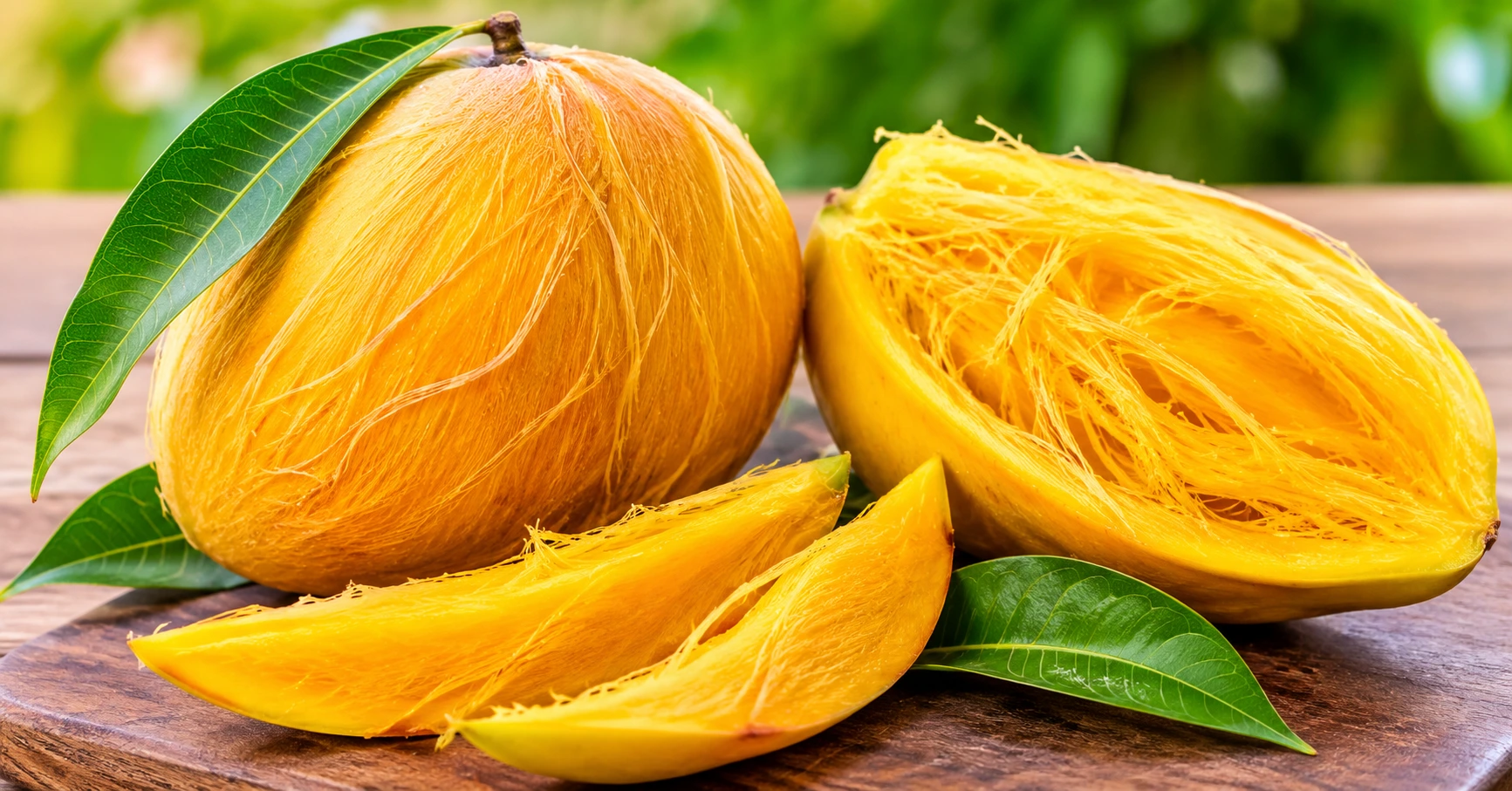
You slice into a gorgeous mango, take a big bite, and end up with fibers stuck between your teeth. Sound familiar? Many people call this the mango string fruit problem, and it is one of the most common complaints about an otherwise beloved tropical treat. At Ultimate Fandom, we believe understanding your food makes every bite better, so let’s explain why this happens and how to avoid it.
Every mango contains fibers. They are part of the fruit’s structure, linking the fleshy pulp to the hard stone at the center. Botanists describe the mango as a drupe, meaning a fleshy fruit wrapped around a single hard pit. The fibers in the flesh are an extension of the fibrous layer surrounding that pit.
Research on mango development shows that fiber hardening is linked to lignin, the compound that makes plant tissue woody. A more fibrous cultivar such as Tommy Atkins carries more lignin in its pulp than a smoother one like Kent. So when a mango string fruit feels tough and chewy, you are tasting more lignin and less tender pulp.
Three main factors decide how stringy a mango turns out:
The most famous stringy variety is the Tommy Atkins. It dominates supermarkets because its thick skin survives shipping without bruising, but flavor and texture often pay the price. Many commercial mangoes are also picked early, which makes the fiber problem worse.
Turpentine mangoes, a traditional Caribbean type, are another example. They are known for fibrous flesh and a strong resinous flavor, so people usually turn them into juice or preserves rather than slicing them fresh.
On the other side, Ataulfo mangoes, also sold as Champagne mangoes, are prized for their non-fibrous, silky texture and thin pit. If you want to avoid every mango string fruit disappointment, these are a reliable choice when they are in season.
Color alone can mislead you, because ripe mangoes come in green, yellow, orange, and red shades. Use your hands and nose instead.
Ask the produce seller which variety they stock. A quick question can save you from a stringy surprise entirely.
If you brought home a firm mango, patience is the best fix. Leave it on the counter at room temperature for a few days until it softens and smells sweet. To speed things up, place it in a paper bag. The bag traps ethylene, the natural gas that triggers ripening, and adding a banana or apple boosts the effect.
Once the mango is ripe, move it to the refrigerator so it stays fresh for several more days. Never refrigerate an underripe mango, because cold slows ripening and can damage flavor.
Found a fibrous mango anyway? Do not throw it away. The flavor is usually still good, and the texture problem is easy to hide. Ultimate Fandom readers often ask for smart kitchen rescues, and these three work best:
You can also cut the flesh away from the pit carefully and trim any fibers clinging to the skin before eating. Small steps like these reduce waste and make every mango worth the money.
A common worry is that fibrous fruit is lower quality. In reality, the fibers do not make a mango less nutritious. The pulp still delivers natural sugars, vitamins, and a bit of extra roughage. What changes is the eating experience, because strands catch in your teeth and the chewy bite distracts from the sweetness.
Flavor can differ too. Fruit picked too early may taste flat or sour, while tree-ripened fruit develops deeper sweetness. That is why a well-ripened mango string fruit can still taste wonderful when you prepare it the right way.
Your knife technique matters more than you think. Stand the mango upright and slice down on both sides of the flat pit, keeping the blade close to the stone. Score the flesh in a grid, then push the skin outward and cut the cubes free.
If the pulp clings to fibers near the pit, trim that area away instead of chewing around it. Fibers also run lengthwise, so slicing across them gives shorter pieces that feel much softer in your mouth.
Stringy mangoes are not spoiled or unsafe. They are simply the result of variety, ripeness, and size working together. Choose smaller fruit, squeeze and smell before buying, ripen patiently, and favor smooth varieties like Ataulfo. For the wider botany behind every mango string fruit, the Wikipedia article on mangoes covers origins, cultivars, and traits. Keep exploring food topics with Ultimate Fandom and enjoy your next mango without the strings.
Usually because it is an underripe, oversized, or naturally fibrous variety. Letting the fruit ripen fully and choosing smoother cultivars reduces the problem.
Yes. The fibers are harmless plant tissue and even add a little dietary fiber. Only discard a mango that smells fermented, looks moldy, or feels slimy.
Ataulfo, also called Champagne mango, is known for smooth, non-fibrous flesh. Kent and Keitt are also popular low-fiber choices.
Ripening softens the flesh and makes fibers less noticeable, but it cannot erase them completely in a naturally fibrous variety.
Blend it into smoothies or juice, cook it into chutney or jam, or freeze it for lassi. These methods break down or hide the fibers.