- Ideas for a more considered life
- Travel deeper . Work smarter . Live better
- Join 50,000+ readers
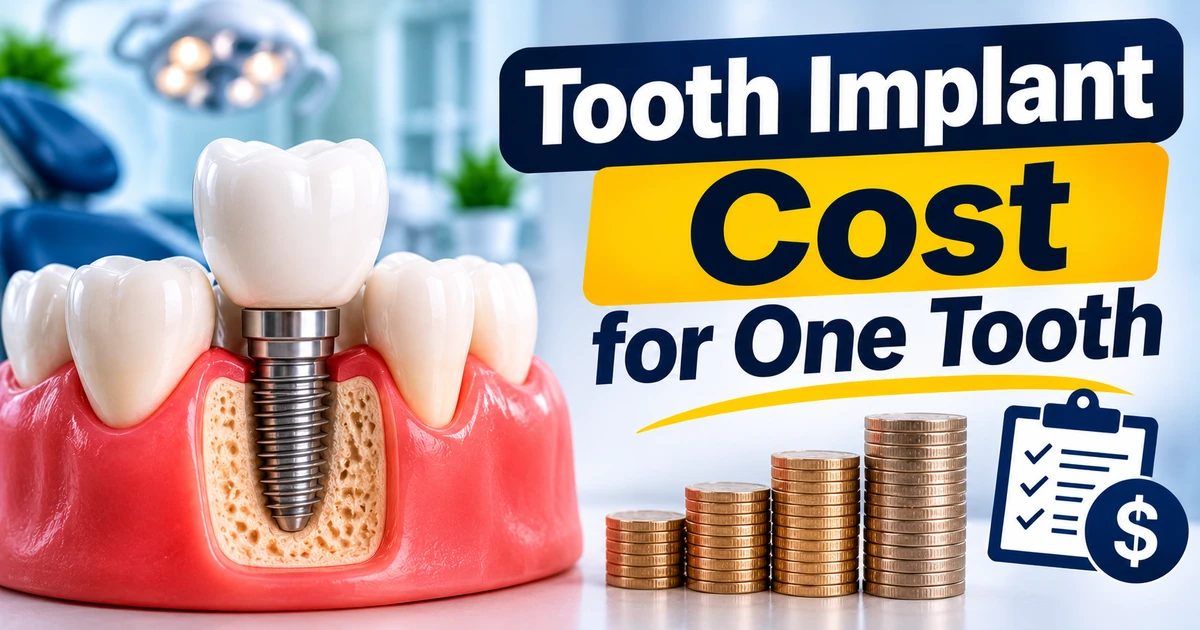
Losing a tooth can change the way you chew, speak, and smile. A dental implant is widely seen as the most durable way to replace a missing tooth, but most people want to know the price before booking a consultation. In this guide from Ultimate Fandom, we explain the real tooth implant cost for one tooth, what the price covers, and how you can keep the total manageable without compromising quality or safety.
In the United States, a single implant usually costs between $3,000 and $6,500 when the implant post, abutment, and crown are all included. Some clinics advertise lower prices, but those figures often cover only the titanium post. Other countries can be cheaper, yet the final bill still depends on the clinic, the materials, and the complexity of your case.
Because an implant is a multi-stage treatment, the price is rarely a single line item. You pay for the consultation, imaging, surgery, healing hardware, and the final crown. Asking for a full written estimate before you commit helps you avoid surprise charges later. Prices also change over time, so treat any figure you read online as a starting point rather than a final quote.
A complete single-tooth implant has three main parts. The implant is a small titanium post placed into the jawbone, where it acts as an artificial root. The abutment is a connector that sits on top of the post. The crown is the visible, tooth-shaped cap made from porcelain or zirconia.
Beyond these parts, your bill may include an initial exam, X-rays or a 3D scan, anesthesia or sedation, and follow-up visits. Trusted medical sources, including Mayo Clinic’s guide to implant surgery, explain each step in detail, which helps you judge whether a quote covering the tooth implant cost for one tooth is truly complete.
The table below, prepared by the Ultimate Fandom team, shows the typical price range for each part of a single implant treatment. These are estimates, and your dentist will confirm exact numbers after an examination.
| Component | Typical Price Range (USD) |
|---|---|
| Consultation and X-rays | $100 – $350 |
| 3D CBCT scan | $250 – $500 |
| Implant post (surgery) | $1,500 – $3,000 |
| Abutment (connector) | $300 – $500 |
| Porcelain or zirconia crown | $1,000 – $2,500 |
| Bone graft (if needed) | $400 – $1,200 |
| Sinus lift (if needed) | $1,500 – $3,000 |
| Sedation or anesthesia | $200 – $800 |
Several variables push the price up or down, and understanding them makes any quote easier to read. Remember that the tooth implant cost for one tooth can look very different from one clinic to another, even within the same city.
Location: Clinics in major cities usually charge more than those in smaller towns because rent, staff salaries, and equipment costs are higher.
Dentist experience: An oral surgeon or periodontist with years of implant training may charge more, but skill lowers the risk of complications and repeat treatment.
Materials: Titanium is the standard and proven choice, while zirconia implants suit patients with metal sensitivity but often cost more. Crown material also matters, since zirconia and high-grade porcelain look more natural than basic options.
Tooth position: Front teeth demand careful aesthetic planning, whereas molars need stronger crowns to handle heavy chewing forces. Both can raise the price.
Extra procedures: If your jawbone is thin or soft, you may need a bone graft or a sinus lift before the implant can be placed. These steps add both cost and healing time.
Technology: Guided surgery and digital scans improve accuracy and comfort, though clinics that use them may charge a premium.
The good news is that you have several ways to manage the expense. Start by requesting written estimates from at least two or three clinics, and compare what each one includes rather than only the headline number. Ask whether the crown, abutment, and follow-up visits are part of the quote.
Next, check your dental insurance. Many plans do not cover the full cost, but some pay a portion of the crown or related procedures such as extractions. Health savings accounts and flexible spending accounts can also be used for eligible dental care. Many clinics offer monthly payment plans, and dental schools sometimes provide treatment at reduced fees under expert supervision.
Also watch for hidden costs. Some clinics quote a low price for the implant but charge separately for the abutment, crown, or temporary tooth. Others require additional scans or follow-up adjustments. Request an itemized treatment plan, and ask what happens if the implant fails to integrate. A reputable clinic will explain its warranty or retreatment policy clearly, so you know your financial risk before treatment starts.
Finally, protect your investment. Brush twice a day, floss daily, avoid smoking, and keep your regular checkups. Good care helps an implant last for decades and prevents expensive repairs.
At Ultimate Fandom, we believe informed readers make better decisions about their health and their wallets. Knowing the tooth implant cost for one tooth, along with what is included and what can change it, gives you the confidence to choose the right clinic and treatment plan. Always book a consultation with a licensed dentist for a personalized quote. Thank you for reading this guide on Ultimate Fandom.
Is a single dental implant covered by insurance?
Coverage varies widely. Many standard plans exclude implants or cap the yearly benefit, but some cover the crown or the tooth extraction. Ask your provider for a pre-treatment estimate so you know exactly what they will pay.
How long does the whole process take?
From the first consultation to the final crown, treatment usually takes three to six months. The implant needs time to fuse with the jawbone, and bone grafting can extend the timeline.
Does getting an implant hurt?
The procedure is done under local anesthesia or sedation, so most patients feel pressure rather than pain. Mild soreness and swelling for a few days afterward are common and can be managed with pain relief recommended by your dentist.
How long does a dental implant last?
With good oral hygiene and regular checkups, the titanium post can last 25 years or longer, while the crown may need replacement after 10 to 15 years because of normal wear.
Is there a cheaper alternative to an implant?
Yes. A dental bridge or a removable partial denture usually costs less upfront. However, they do not replace the tooth root, and a bridge requires reshaping neighboring healthy teeth, so implants often prove better value over time.