- Ideas for a more considered life
- Travel deeper . Work smarter . Live better
- Join 50,000+ readers
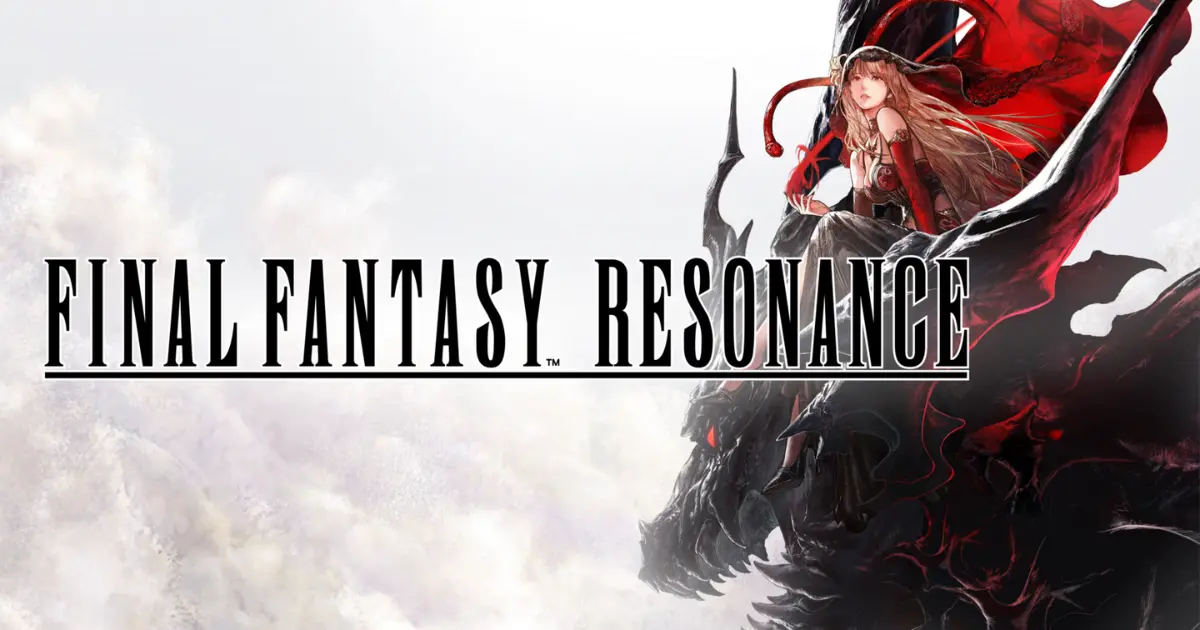
Every few years, Square Enix does something that makes longtime fans sit up straight. This time, it’s the Final Fantasy Resonance game, the first Final Fantasy title to adopt the beloved HD-2D visual style. Launching on October 22, 2026, it’s only days away, so the question on every RPG fan’s mind is simple: is it worth your time and money? At Ultimate Fandom, we’ve dug into what’s known so far to help you decide.
Final Fantasy Resonance is a turn-based RPG developed by Square Enix and Lancarse, the studio behind The DioField Chronicle. It’s the first Final Fantasy to join the HD-2D lineup, the style popularized by Octopath Traveler, which blends detailed pixel art with modern lighting, depth, and camera work.
Here’s where it gets interesting for anyone searching for the Final Fantasy Resonance mobile game: it isn’t one. The story is based on the first arc of Final Fantasy Brave Exvius, a mobile title from 2016 that has since shut down. Square Enix says the new game is far from a direct port, having been rebuilt as a full console-quality RPG. It’s coming to PlayStation 5, Xbox Series X|S, Nintendo Switch, Nintendo Switch 2, and PC. So while the Final Fantasy Resonance mobile game roots are real, the experience is entirely console and PC.
The adventure unfolds in the world of Lapis and follows Rain, commander of an airship squadron in the kingdom of Grandshelt. After the Earth Crystal shatters, Rain sets out to protect the world’s remaining crystals.
If that sounds familiar, it’s meant to. Crystals, airships, espers, moogles, and legendary weapons are all woven into the fabric of the game. Square Enix describes it as a celebration of classic and modern Final Fantasy, and the premise leans into that nostalgia without feeling like a retread.
The biggest draw is easily Final Fantasy Resonance HD-2D visuals. Square Enix calls the style “cinematic pixel art,” combining pixelated 3D models with dynamic camera angles that make battles and story moments more dramatic. It asks a tempting question: what if Final Fantasy had kept pushing the limits of pixel art after the 16-bit era?
For players who grew up with the SNES classics, this is the sweet spot. You get the charm of sprite-based worlds with the polish modern hardware allows. For newer fans, it’s an eye-catching introduction to a style that has already proven itself across several acclaimed RPGs.
Fans who miss the days before real-time combat took over the franchise will be pleased. Resonance returns to turn-based fighting, with a strategic hook: exploit enemy weaknesses to stagger them, break their defenses, and earn extra turns. That opens the door to powerful Resonance attacks, which play out in cinematic fashion.
Then there are Visions, echoes of beloved Final Fantasy characters who fight alongside your party with unique skills. Cloud and Tidus have both been confirmed as appearances, and the latest trailer revealed that Sephiroth shows up as an optional challenge with a special reward. Visions add real depth to party customization, giving you room to experiment instead of following a fixed formula.
One of the most reassuring details for skeptical fans: the game drops the gacha mechanics of its mobile origins. Anyone burned by monetization-heavy RPGs can relax. Resonance is positioned as a standalone, complete experience, which is exactly what console RPG players want.
Square Enix has made a free demo available since early September. It covers the opening through the end of Chapter 1, roughly three to five hours of play, and your save data carries over to the full game. That’s a generous offer, and honestly the best advice we can give: play the demo first. Three to five hours will tell you whether the pacing, combat, and art style click with you.
If you’re leaning toward buying, you have options:
The Final Fantasy Resonance Collector’s Edition is a hefty investment, and it’s clearly aimed at completionists and collectors. If you’re a casual player, the standard or Deluxe edition delivers the full adventure for far less. The extras are nice, but they don’t change the gameplay.
Final Fantasy Resonance looks like a great fit if you:
It’s not for everyone. If you prefer the action-oriented combat of recent mainline entries, the turn-based approach may feel slower than you’d like. Players who want a sprawling, completely original universe might also find the “greatest hits” approach a little familiar, since the game deliberately leans on series staples. And if you’re hoping for a true Final Fantasy Resonance mobile game you can play on your phone, this isn’t it.
Since the game is brand new, reviews haven’t landed yet. If you’re cautious, waiting a week or two for critic and player impressions is a perfectly reasonable move.
So, is the Final Fantasy Resonance game the right choice for RPG enthusiasts? For most fans of the genre, the answer looks like a confident yes. It combines a gorgeous visual style, a strategic combat system, a crystal-driven story, and a pro-consumer approach with no gacha. The free demo lowers the risk to almost nothing, and the range of editions means you can choose how much to invest.
The smartest path is simple: download the demo, play through Chapter 1, and see whether Rain’s journey grabs you. If it does, you can carry your save straight into the full game and pick the edition that suits your budget.
We’ll keep following Resonance’s launch and its reception here at Ultimate Fandom, so check back for deeper guides, impressions, and community discussion once you’ve had a chance to dive in. Are you picking up the Collector’s Edition, or sticking with digital? Let us know in the comments.
Is the Final Fantasy Resonance game a mobile game?
No. The Final Fantasy Resonance mobile game idea comes from its origins: the story is based on the first arc of Final Fantasy Brave Exvius, a mobile title that has since shut down. Resonance itself is a new console and PC RPG for PlayStation 5, Xbox Series X|S, Nintendo Switch, Nintendo Switch 2, and PC, and it drops the original’s gacha mechanics.
When is Final Fantasy Resonance releasing?
It launches on October 22, 2026. Some outlets list October 23, likely because of time zone differences, so check your platform’s store page for the exact local release time.
What makes Final Fantasy Resonance HD-2D special?
It’s the first Final Fantasy game to use the HD-2D style, which blends detailed pixel art with modern lighting, depth, and dynamic camera angles. Square Enix calls it “cinematic pixel art,” aiming for a feel that’s both nostalgic and fresh.
What’s included in the Final Fantasy Resonance Collector’s Edition?
The Collector’s Edition costs US$59.99 and includes early-game items such as Phoenix Downs and Ethers.
Is there a demo for Final Fantasy Resonance?
Yes. A free demo has been available since early September and covers the opening through the end of Chapter 1, roughly three to five hours of play. Your save data carries over to the full game, so it’s a low-risk way to decide whether the game is for you.